Which Cities Offer the Best Digital Nomad Life in 2026?
The digital nomad movement has become an economic force. In 2026, cities that attract remote workers are seeing measurable benefits: increased local spending, new business creation, international talent inflow, and stronger global visibility.
Whether you’re wondering wat is een digital nomad is, exploring the rise of the nomad digital economy, or evaluating what this means for your city or business, one thing is clear: destinations that support the modern working nomad are winning.
Based on recent rankings of the world’s most digital-nomad-friendly countries, where seven of the top 10 are in Europe, certain cities are emerging as global hubs for this fast-growing demographic. All of them fall into the “smart city” category, where technology and infrastructure work together for a better work-life balance. But what exactly makes a city attractive to digital nomads in 2026? And what can business owners and city leaders learn from the most successful examples? Let’s go through it.
What Is a Digital Nomad and Why Does It Matter?
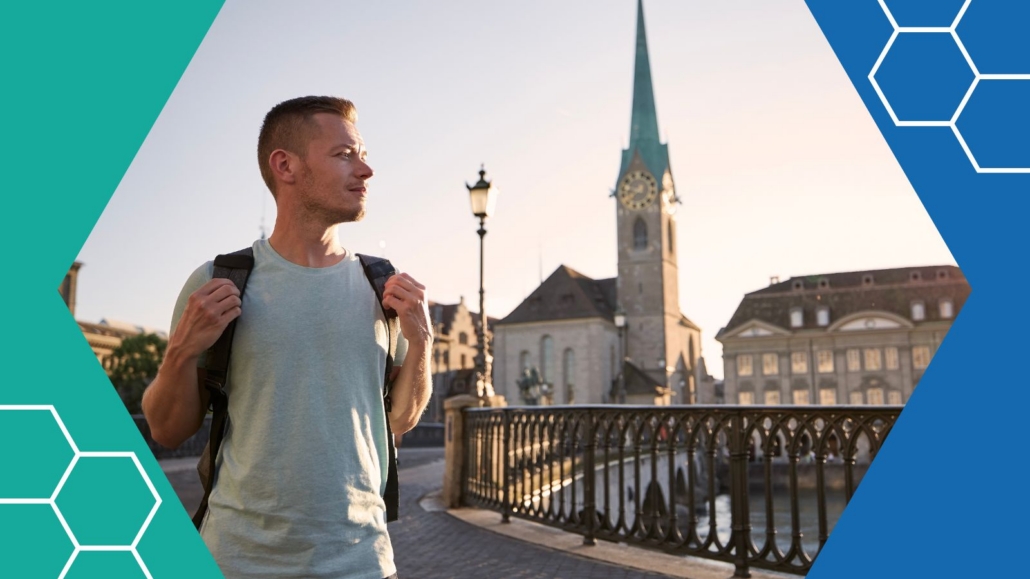
A digital nomad (digitale nomade) is a professional who works remotely while living in different locations. Unlike traditional expats, digital nomads tend to stay for medium-term periods, from a few months to a year, contributing to the local economy without permanently settling.
Common digital nomad beroepen include:
- Software developers
- Digital marketers
- Designers
- Consultants
- E-commerce entrepreneurs
- Content creators
- Online educators
For cities and business owners, this group represents high-spending, globally connected professionals who actively seek cafés, coworking spaces, housing, wellness services, events, and local experiences.
Europe’s Dominance in 2026
Marketing of destination plays a vital role in this subject. Recent global rankings show that Europe continues to lead in attracting digital nomads. The reasons are strategic, and together create an ecosystem where digital nomads can work productively while enjoying quality of life, a combination that matters deeply in 2026’s remote-first economy:
- Reliable infrastructure
- Strong public transport
- High safety standards
- Cultural richness
- Visa frameworks designed specifically for remote workers
Cities Setting the Standard for Digital Nomad Life
Below are standout cities that offer valuable lessons for policymakers and entrepreneurs.
Lisbon, Portugal
Lisbon remains one of Europe’s strongest digital nomad hubs in 2026.
Why it works:
- High-speed internet nationwide
- Active coworking ecosystem
- International startup scene
- Attractive lifestyle (climate, coastline, culture)
Lesson for cities:
Invest in infrastructure and promote a cohesive international brand. Lisbon successfully markets itself as both livable and innovative.
Lesson for businesses:
Cafés, gyms, event organizers, and service providers that cater to remote professionals benefit from repeat mid-term customers rather than short-term tourists.
Barcelona, Spain
Barcelona balances creativity, lifestyle, and productivity.
Key strengths:
- Strong expat and entrepreneur community
- Integrated urban living (walkability + public transport)
- Cultural magnetism
Strategic insight:
Community matters. Cities that facilitate networking events, startup meetups, and English-friendly services lower the friction for incoming nomads.
Berlin, Germany
Berlin attracts founders, creatives, and tech professionals.
Why Berlin succeeds:
- Thriving startup ecosystem
- Relatively affordable compared to other Western capitals
- Strong English proficiency
For mayors and policymakers:
Support for innovation clusters amplifies nomad attraction. Digital nomads often collaborate with local startups, creating knowledge spillovers.
Bucharest, Romania
Bucharest is gaining visibility as a high-value, lower-cost European option.
Competitive advantages:
- Affordable housing
- Fast internet
- Growing coworking scene
Economic takeaway:
Cities outside traditional Western hubs can compete by combining affordability with connectivity.
Chiang Mai, Thailand
Chiang Mai remains a benchmark city for affordability and the nomad community.
Why it remains relevant:
- Low cost of living
- Established digital nomad ecosystem
- Lifestyle appeal
Key lesson:
Once a community reaches critical mass, it becomes self-sustaining. Community infrastructure is as important as digital infrastructure.
Mexico City, Mexico
Mexico City continues rising as a global remote work hotspot.
Strengths:
- Cultural vibrancy
- Strong café and coworking culture
- Geographic proximity to North America
For business owners:
Digital nomads prefer places that offer professional workspaces outside the home: coworking spaces, hybrid cafés, and flexible meeting venues are in high demand.

Tokyo, Japan
Tokyo attracts digital nomads who prioritize safety, efficiency, and advanced infrastructure.
Why it works:
- High public safety
- Cutting-edge tech infrastructure
- Urban sophistication
Strategic takeaway:
Reliability and predictability are competitive advantages. Not all nomads prioritize low cost, many prioritize stability and quality.
What Makes a City Truly Nomad-Friendly in 2026?
For city leaders and entrepreneurs evaluating their positioning, the most successful destinations share five core characteristics:
1. Digital Infrastructure
Fast, reliable internet is non-negotiable. Public Wi-Fi, coworking hubs, and mobile connectivity are foundational.
2. Regulatory Openness
Clear visa policies and tax clarity reduce friction. Cities that simplify bureaucracy attract longer stays.
3. Integrated Urban Design
Walkability, public transport, safety, and mixed-use neighborhoods increase daily quality of life.
4. Community Access
Events, networking hubs, startup ecosystems, and international communities help digital nomads integrate quickly.
5. Brand Positioning
Cities that actively market themselves as remote-work-friendly stand out in a competitive global landscape.
Why This Matters for Businesses
The digital nomad economy represents:
- Consistent off-season revenue
- International word-of-mouth marketing
- A pool of potential collaborators and clients
- Increased demand for flexible services
Restaurants, gyms, coworking spaces, property developers, event organizers, and even municipalities benefit when positioning strategically toward this demographic. Also, digital nomads are not just tourists. They are temporary economic residents who contribute to local ecosystems.
The Strategic Opportunity in 2026
As remote work becomes normalized rather than exceptional, cities that fail to adapt risk losing global talent flows. Meanwhile, forward-thinking destinations that ask not just “wat is een digital nomad?” but “how can we attract them?” will capture economic and reputational advantages.
The future of urban competitiveness increasingly depends on mobility. The cities that offer the best digital nomad life in 2026 are not only beautiful but also digitally prepared, community-oriented, and strategically positioned.
For business owners, coworking operators, real estate developers, and city leaders, this presents a powerful opportunity. Attracting digital nomads requires more than infrastructure: it requires strategic branding, digital visibility, and targeted marketing campaigns that position your city or business in front of the right global audience.
SublimeStart is here to help businesses and cities attract digital nomads. From digital strategy and web development to SEO, paid advertising, and content marketing, our team helps cities, tourism boards, and businesses create a strong online presence that resonates with international remote professionals. Whether you want to promote your destination as a nomad-friendly hub or attract high-value remote clients to your business, we build marketing strategies designed for measurable growth.
Contact our team today to position your city or business as a leading destination for digital nomads in 2026 and beyond.