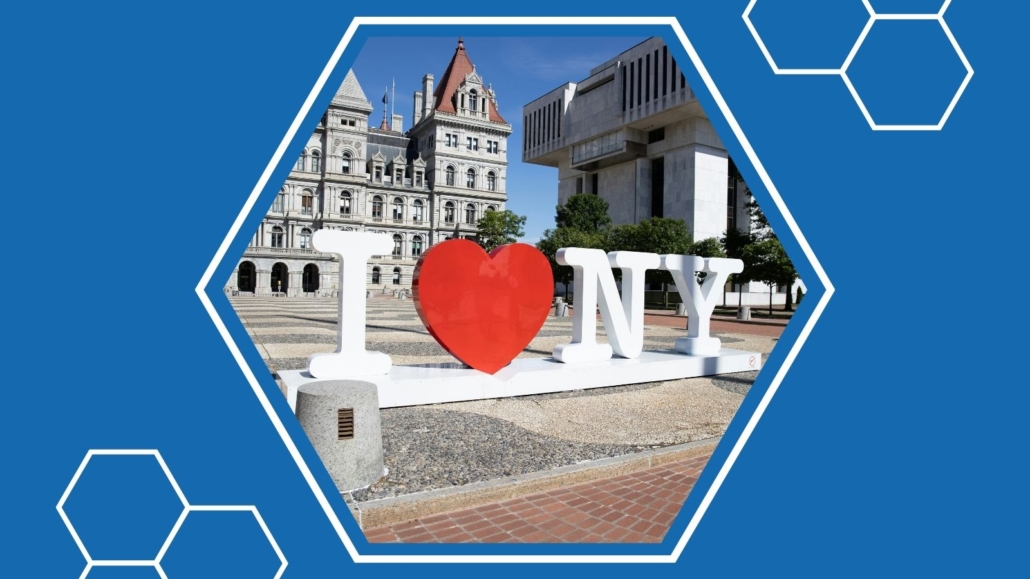


Place Marketing Framework: 8 Steps to Attract Talent, Tourists, and Investment
Cities and regions increasingly compete with each other on a global stage. Governments want to attract visitors, skilled workers, digital nomads, entrepreneurs, and foreign investors. At the same time, they must maintain a positive reputation among residents and international audiences.
This competition has made place marketing an important strategic tool. Place marketing refers to the deliberate promotion of a location, such as a city, region, or country, in order to influence how it is perceived and to attract economic activity.
Unlike traditional tourism promotion, modern place marketing combines branding, storytelling, digital advertising, and stakeholder participation. Its purpose is not only to attract attention but also to shape long-term reputation and economic development.
This article outlines a structured framework that digital marketing agencies can use to support cities and regions in developing an effective place marketing strategy.
Understanding Place Marketing
Place marketing emerged from the broader field of place branding and urban marketing. Kotler, Haider, and Rein (1993) argued that locations must increasingly market themselves in a similar way as products or companies. Later research emphasized that a place brand cannot be controlled entirely through marketing communication because reputation is shaped by lived experiences and public perceptions (Anholt, 2007; Kavaratzis & Ashworth, 2005).
For this reason, successful place marketing strategies combine identity, communication, and real-world experience. Marketing campaigns amplify what already exists rather than inventing a fictional image of the place.
Many cities now use digital marketing to support these goals. As discussed in the article on how cities stand out in 2026, global competition between locations has intensified as remote work, digital nomadism, and international talent mobility have increased.
Step 1: Identifying the Authentic Identity of the Place
The first step in any place marketing strategy is to understand what the place truly represents. Marketing efforts must be grounded in authentic characteristics such as culture, heritage, economic strengths, lifestyle, and physical environment.
A digital marketing agency typically begins with a place identity audit. This involves researching local industries, cultural institutions, infrastructure, community values, and long-term development goals. It also requires listening to residents and stakeholders to understand what people value most about their city or region.
Authenticity is essential because place brands cannot rely on artificial slogans. As Anholt (2007) argues, the reputation of a place depends on what it actually does rather than what it claims to be. If marketing messages exaggerate or misrepresent reality, they quickly lose credibility.
During this phase, agencies often apply branding and design expertise to translate the place’s identity into a coherent narrative framework. Content marketing teams document stories about the city’s culture, innovation ecosystem, or lifestyle, while SEO research can reveal what global audiences already associate with the location.
Step 2: Understanding Current Perceptions
Once the internal identity of the place is clear, the next step is to analyze how the place is currently perceived by external audiences. A place brand already exists in the minds of people through media coverage, online conversations, travel reviews, and personal experiences.
Digital tools make it possible to study these perceptions in detail. Search engine data reveals what people are curious about when they search for the city. Social media analysis helps identify recurring narratives or stereotypes. Reviews and media articles provide insight into visitor experiences and investor perceptions.
This analysis allows agencies to identify which associations are positive and should be strengthened, which perceptions are weak and need development, and which negative stereotypes must be addressed. For example, cities that wish to attract remote workers often discover that quality of life and affordability are key factors in online discussions, as explored in research on digital nomad destinations.
SEO specialists and social media strategists play an important role in this phase by monitoring conversations and analyzing search demand. The goal is to create a clear baseline of the place’s current reputation before launching marketing initiatives.
Step 3: Defining Strategic Goals and Target Audiences
Place marketing must serve specific economic and social objectives. Cities rarely promote themselves to everyone at once. Instead, they prioritize particular audiences depending on their development strategy.
Some cities focus on tourism, while others prioritize attracting startups, foreign investment, or highly skilled workers. Increasingly, governments also try to attract digital nomads and remote professionals who contribute to the local economy.
In defining a strategy, agencies therefore identify the audiences most relevant to the place. These might include tourists, investors, entrepreneurs, students, skilled migrants, or international media. Each group requires a different communication approach.
For instance, a city that wants to position itself as an innovation hub may focus on entrepreneurs and investors. This approach is often supported by content strategies highlighting startup ecosystems, research institutions, and innovation districts, as discussed in the article on content strategies for attracting investors.
Marketing teams often develop audience personas during this stage. Email marketing systems and CRM tools can later be used to build long-term relationships with these groups.
Step 4: Developing the Place Positioning
After analyzing identity and audience needs, the agency defines the strategic positioning of the place. Positioning explains how the location differentiates itself from competitors and what promise it offers to its audiences.
Effective positioning is based on authentic strengths and credible evidence. Cities might position themselves around innovation, sustainability, cultural heritage, creative industries, or exceptional quality of life. The most successful place brands connect multiple elements of identity into a coherent narrative.
Branding and design teams translate this positioning into visual identity systems and storytelling frameworks. Website development teams then integrate these elements into digital platforms that present the city consistently to different audiences.
At this stage, the marketing strategy begins to move from research toward communication.
Step 5: Creating a Coordinated Brand Architecture
One challenge of place marketing is that many different organizations communicate about the same place. Tourism boards, investment agencies, universities, cultural institutions, and local businesses all promote the city in their own way.
Without coordination, this can result in fragmented messaging. Brand architecture helps align these efforts by defining a shared narrative, visual identity principles, and consistent tone of voice.
Kavaratzis (2004) describes this as the alignment of multiple communication channels that shape place reputation. When stakeholders communicate consistent messages, the overall identity of the place becomes stronger and easier for audiences to understand.
Content marketing teams often develop messaging frameworks during this stage, while website managers ensure that official digital platforms reflect the same identity.
Step 6: Aligning Marketing with Real Experiences
A critical principle of place branding is that reputation is shaped not only by communication but also by lived experience. Visitors and residents form opinions about a city based on public spaces, events, infrastructure, hospitality, and everyday life.
Marketing campaigns therefore need to reflect the real character of the place. Agencies often collaborate with local stakeholders to identify experiences that support the brand narrative. Cultural festivals, innovation hubs, gastronomy, and creative districts can all become part of the storytelling.
City marketing can even help governments address broader urban challenges by highlighting solutions and strengthening civic identity. This relationship between marketing and urban development is discussed in research on how city marketing can contribute to solving urban problems.
Video production teams, social media strategists, and content creators often play an important role in documenting these experiences and sharing them with global audiences.
Step 7: Launching Digital Marketing Campaigns
Once the strategic foundation is in place, the agency can translate the place brand into concrete marketing campaigns. These campaigns combine content marketing, advertising, and website strategy.
Content marketing is often used to tell deeper stories about the city’s culture, innovation ecosystem, or lifestyle. Articles, videos, and long-form guides help build search visibility and authority. Email marketing can nurture relationships with investors, entrepreneurs, or students who have expressed interest in the location.
Online advertising complements these efforts by reaching targeted audiences through search engines, social media platforms, and video channels. Paid search advertising can capture tourism or relocation interest, while social media campaigns can promote the city to talent or entrepreneurs.
Website management services are essential for supporting these campaigns. Dedicated landing pages can be created for different audiences such as tourists, investors, or digital nomads. Conversion optimization ensures that visitors who are interested in the place can easily request information, plan visits, or explore opportunities.
Step 8: Measuring Results
Place marketing is not a one-time campaign but a continuous process of reputation building. Cities must therefore measure both short-term marketing performance and long-term brand development.
Short-term metrics often include website traffic, campaign reach, engagement, and inquiries. These indicators help evaluate whether specific marketing initiatives are reaching the intended audiences.
However, long-term place branding focuses on broader outcomes such as awareness, positive associations, investor interest, and talent attraction. Search trends, sentiment analysis, and stakeholder feedback can provide insights into how perceptions of the place evolve over time.
SEO specialists, analytics teams, and marketing strategists typically collaborate to monitor these indicators and adjust campaigns accordingly.
The Growing Importance of Place Marketing
The rise of remote work, global mobility, and digital communication has intensified competition between cities. Locations that effectively communicate their strengths can attract talent, tourism, and investment that drive economic growth.
For this reason, governments increasingly partner with digital marketing agencies to develop sophisticated place marketing strategies. By combining authentic identity, strategic positioning, and digital storytelling, cities can build strong reputations that extend far beyond traditional tourism promotion.
References
Kotler, P., Haider, D., & Rein, I. (1993). Marketing places. Free Press.