

Push vs Pull Marketing: Which one should you choose?
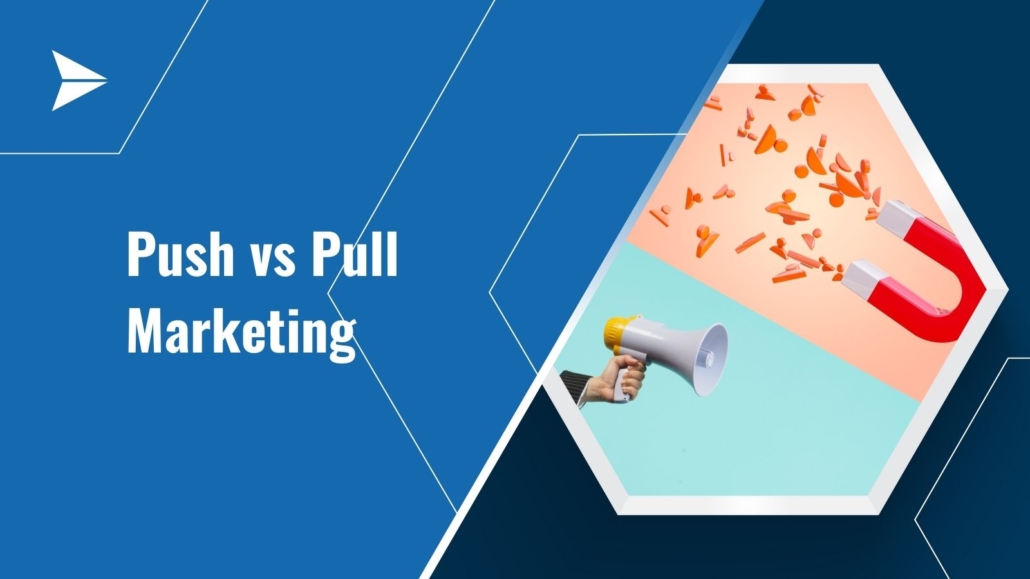
Push and pull advertising are two sides of the same coin. Ever felt bombarded by online ads? That’s push marketing in action, actively sending promotional messages your way. Have you ever been drawn to a website by its informative blog posts or captivating videos? That’s the power of pull marketing, attracting potential customers through engaging content.
Both push and pull marketing strategies have their place in the marketing toolbox, each serving different purposes depending on your goals. One is not inherently better than the other, but understanding their unique strengths and how they can work together is key to crafting a successful marketing campaign. In this article, we’ll delve into the world of push and pull marketing, exploring their nuances and how they can help your brand rise above the online noise.
What is Push Marketing?
Push advertising, or outbound marketing, is for you to directly approach the target audience by promoting products or services through various channels. It aims to capture attention and drive immediate action. The typical goal of push advertising is to get new purchases and subscribers.
With push marketing, you send out targeted promotional material to consumers; therefore, push advertising typically involves online paid advertising on social media and search engines.
To succeed in push marketing advertising, it’s important to focus on specific audience segments and deliver personalized messages that result in immediate conversions. However, it’s also crucial to be cautious while using push advertising, as it can lead to audience saturation and consequently, reduce impact.
Although push advertising can yield quick results, it demands meticulous planning and budgeting to prevent the audience from feeling overwhelmed and to maintain the intended impact.
What is Pull Marketing?
Pull advertising, also known as inbound marketing, focuses on creating valuable content that attracts customers to the brand rather than actively pushing messages to them. This approach aims to build brand awareness, establish product leadership, and position the brand as a trusted source of information.
A pull advertising strategy is about increasing the number of users of your product. With pull marketing, you build a brand and let consumers approach you. For this, it is also important to focus on specific audience segments and deliver personalized messages that result in immediate conversions. However, as in push marketing, it is ideal to plan and budget the campaign to avoid audience saturation and keep the campaign interesting.
Unlike push advertising, pull advertising prioritizes long-term customer relationships by providing value and fostering engagement. For instance, pull strategies involve content marketing, organic engagements, industry leadership and public relations.
Within online advertising, the goal is for organizations to create and share high-quality and memorable content that captures the benefits of their audience. Pull advertising can be more cost-effective over time, focusing on building loyalty and brand leadership rather than paying for immediate conversions.
Which one should you choose?
The choice between push and pull marketing isn’t a binary one. While recent trends favor the organic nature of pull marketing, both strategies still hold value. You may not be able to push some people into action, and you will need to pull them with great content.
Specialized products benefit from targeted push marketing, while new brands can leverage pull marketing for awareness. The most effective approach often lies in a strategic combination of both. This allows you to optimize your visibility while remaining accessible to a broader audience. As in B2B marketing, where both brand awareness (pull) and targeted promotions (push) are crucial, blending these strategies can ensure you reach the right customers at the right time.
Remember, the goal is to make yourself known and available without limiting your reach, and a well-crafted combination of push and pull marketing can be your key to achieving that.
If you are interested in learning more about advertising, we recommend reading “Creative and Media Strategy: Quick Overview”.