
Website usability testing
Creating user-friendly business websites that allow for intuitive and simple navigation is one of the premises of successful web design. In this article, we cover the basics of website usability testing: what it is, its importance and the types of website usability tests that are usually carried out. This information will be useful for you to make your business website a success.
First things first: What Is Website Usability?
In simple terms, usability describes how easy something is to use. When we talk about website usability, we’re referring to how effortlessly visitors can navigate a site, understand its structure, and accomplish what they came there to do without friction or confusion.
Several key factors help determine how usable a website truly is. Learnability looks at how quickly first-time visitors can understand the site’s layout and find what they need without confusion. Efficiency focuses on how easily users can complete tasks once they are familiar with the website. Satisfaction reflects how users feel about the overall experience, including the design, content, and functionality. Errors are another critical element, measuring how often users find problems, how severe those issues are, and how easily they can be resolved. Improving all of these areas requires more than guesswork, this is where website usability testing becomes essential.
Website Usability Testing: definition and importance
Usability testing is a foundational step in the development process of any digital product, from websites to mobile apps. At its core, usability testing means putting your product in front of real users, that is people who represent your target audience, and observing how they interact with it. The goal is to uncover usability issues, gather feedback, and understand user behavior before your product goes live.
By conducting usability testing, you can identify and resolve usability problems early, ensuring your website is intuitive, efficient, and meets the needs of your intended users. This process helps you avoid launching a product that frustrates users or fails to deliver a positive user experience.
Types of Website Usability Testing
Website usability testing can be conducted using different approaches, depending on what you want to learn and how deep you need to go. Some methods focus on observing behaviour in real time, while others prioritise speed, scale, or measurable results. Below, we list the most common types of website usability testing and explain how each one helps uncover different usability insights.

Moderated usability testing
In moderated testing, a facilitator guides the session in real time while observing the user. The moderator can ask follow-up questions, clarify actions, and explore user behaviour in more depth. This type of testing is ideal when you want rich qualitative insights and a deeper understanding of why users behave the way they do.
Unmoderated usability testing
Unmoderated testing allows users to complete tasks on their own, without a facilitator present. Sessions are usually recorded and reviewed later. This approach is faster, more scalable, and useful when you need feedback from a larger number of participants in a short period of time.
Remote usability testing
Remote usability testing is conducted online, allowing users to participate from their own environment. It’s one of the most common methods today because it’s cost-effective, flexible, and makes it easier to test across different devices and locations.
In-person usability testing
In-person testing takes place in a controlled environment where researchers can closely observe body language, facial expressions, and reactions. While more resource-intensive, it can provide deeper contextual insights for complex user flows.
Qualitative usability testing
This type of testing focuses on understanding user thoughts, emotions, and motivations. It helps uncover why users struggle, hesitate, or abandon tasks, making it especially valuable in early design stages or during major redesigns.
Quantitative usability testing
Quantitative testing measures usability using data points such as task success rates, time on task, error frequency, and completion rates. It’s useful for benchmarking performance, comparing versions, and tracking improvements over time.
Exploratory usability testing
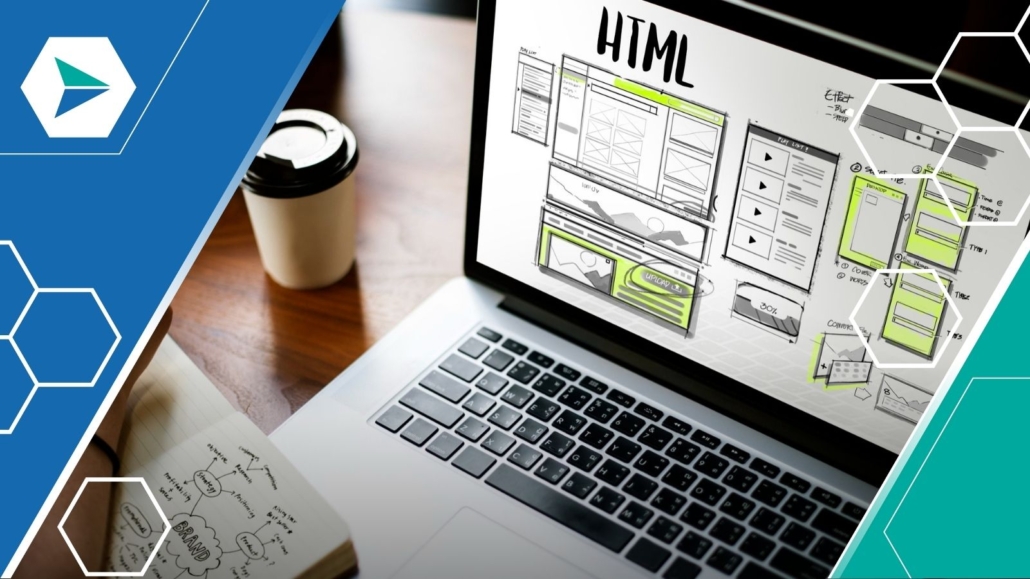
Exploratory testing is often done early in the design process to evaluate concepts, wireframes, or prototypes. It helps identify usability issues before development begins.
Comparative usability testing
This type of testing compares two or more versions of a website or page to determine which one performs better from a usability perspective.
Accessibility-focused usability testing
Accessibility testing evaluates how well users with disabilities can navigate and interact with a website, often using assistive technologies such as screen readers or keyboard navigation.
Designing Websites with Users in Mind
Website usability testing is not a one-time task, but an ongoing process that helps ensure your website truly supports your business goals and your users’ needs. When done properly, it removes guesswork from design decisions and replaces it with real insights based on how people actually use your site. From identifying friction points to validating design choices, usability testing is key to creating websites that convert, engage, and grow with your business.
At SublimeStart, we have the experience and know-how to plan, conduct, and analyse different types of website usability tests, always tailored to your audience and objectives. Beyond testing, we also offer full website design and development services, meaning we don’t just identify issues, we help you fix them and build better digital experiences from the ground up.
If you’re ready to improve your website’s usability or thinking about a redesign, we’d love to help. Get in touch with SublimeStart’s team today to create a website your users will truly enjoy using.