Retargeting Advertising Explained: How to Reconnect with Visitors
Too many websites get visits, but few conversions. You attract people with ads, content, and search, and then they leave. They read a page, compare options, or start a signup. Then they vanish. That is frustrating. It means wasted budget and lost opportunities.
Luckily, retargeting gives you a second chance. Retargeting lets you bring your message back to people who already showed interest. Instead of trying to convince strangers, you continue the conversation with people who already know your brand. That makes your campaigns more efficient, more relevant, and more likely to convert. Serious marketers rely on retargeting advertising as a core strategy to increase sales, build brand visibility, and foster customer loyalty.
In this article, you will learn what retargeting is, how it works, why it matters, when to use it, how to measure performance at each stage, and how to improve your campaigns. This article covers retargeting in general, across platforms like Meta Ads and Google Ads, and shows how to make retargeting a key part of your growth strategy by integrating it with your overall marketing efforts, including email marketing, social media, and website analytics.
In this article
What retargeting is and why it works
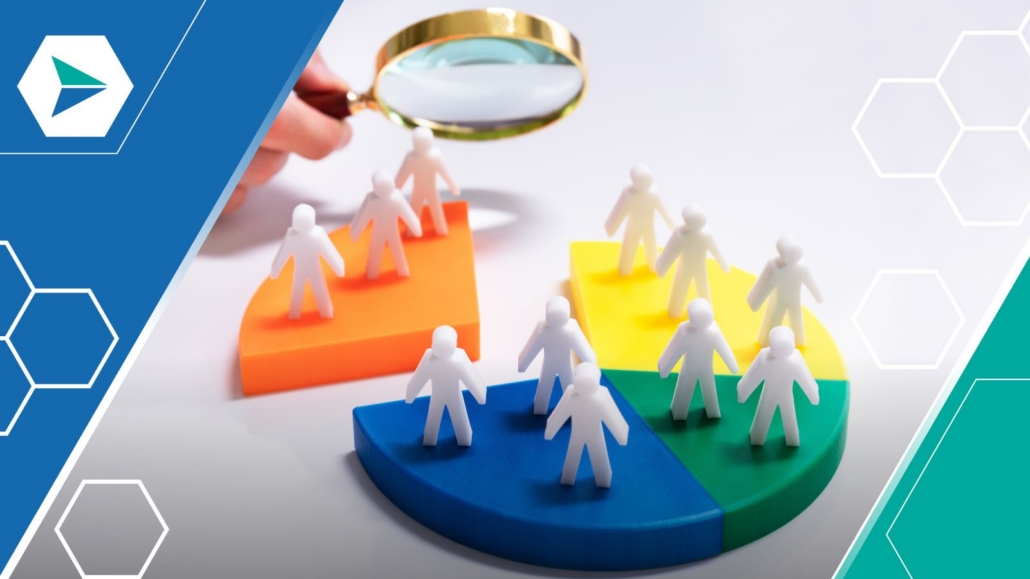
Retargeting, also referred to as remarketing, is a strategy that shows ads to people who have already interacted with your brand but did not convert. These interactions can include:
- Visiting your website
- Viewing specific pages or content
- Watching videos on social platforms
- Engaging with your social posts
- Starting a form without submitting
Retargeting focuses on recapturing potential customers based on their previous online behavior, making it a highly targeted and effective advertising approach.
People who have interacted with your content are already familiar with your business. They know your name. They understand your offer. That makes them far more likely to convert with a relevant reminder than new visitors who have never heard of you before.
Retargeting works because it meets people where they are in their journey. It reinforces your value, builds trust through repeated exposure, and gives hesitant buyers a gentle nudge toward action. By supporting prospects throughout the customer journey, retargeting ensures consistent messaging and increases the likelihood of conversion at every stage.
Types of retargeting platforms
Here are key platforms where you can run retargeting campaigns, along with a short explanation of how each works:
Meta (Facebook & Instagram): uses the Meta Pixel to track visits to your website and interactions with your content. You can retarget users with dynamic or static ads across Facebook, Instagram, and Meta’s partner network based on their behaviour.
Google Ads: allows retargeting through its tag. You can reach users with display banners, YouTube ads, or even retarget them via search if they visited your site previously. It’s a powerful way to stay visible across the web.
LinkedIn Ads: uses the LinkedIn Insight Tag to track visits and interactions with your content. You can retarget people who visited your website, viewed a lead form, or engaged with your LinkedIn posts. It is ideal for B2B campaigns.
TikTok Ads: lets you retarget visitors and users who engaged with your videos or profile using the TikTok Pixel. It’s a strong option if your audience is active on mobile and responds well to visual content.
X (formerly Twitter): allows retargeting via its tag and based on user engagement with tweets or your profile. It’s especially useful for real-time content or campaign boosts.
Pinterest Ads: uses a tracking tag to show ads to people who visited your site or saved pins. It’s most effective for visual products in lifestyle, fashion, food, or design.
Snapchat Ads: enables retargeting for users who viewed your content or visited your site via the Snap Pixel. It works well for younger demographics and app‑driven campaigns.
Key retargeting terminology
Understanding retargeting starts with some key terms that apply across platforms.
- Pixel or tag: A small piece of code you add to your website to track visitor behaviour. Also known as tracking pixels, these collect user behavior data for retargeting and enable behavior-based remarketing across platforms.
- Audience list: A group of recorded users based on specific behaviour like page visits or engagement.
- Custom Audiences: Retargeting lists you create based on actions taken by users.
- Lookalike Audiences: Audiences that are similar to your existing engaged users, helping you expand reach.
- Events: Actions tracked by your pixel such as leads, signups, or purchases.
- Conversion Window: The period after an ad impression when a user can be credited for a conversion.
- Frequency Cap: A limit on how often someone sees your ad in a given time period.
- Engagement Audiences: Retargeting audiences based on social interactions like video views or post engagement.
These terms help you segment your visitors, organise your campaigns, and tailor messages that match behaviour.
How retargeting works: the core mechanics
To use retargeting you first set up tracking on your website or digital assets. This is typically done by installing a pixel (tracking code) provided by the ad platform. Once installed, this pixel tracks behaviour and adds visitors to audience lists.
For example, a visitor might view your services page but leave without converting. Once on your audience list, that person can be shown tailored ads on other websites, in social feeds, or on search results pages.
Retargeting usually involves three major parts:
- Data collection: Your pixel records interactions like page views or form starts.
- Audience creation: You group tracked users into lists based on behaviour, targeting users based on their actions and engagement for more effective retargeting.
- Ad delivery: You create retargeting ads tailored to each audience segment and serve ads to users who have previously interacted with your site, aiming to re-engage them across platforms.
This sequence is consistent across major platforms like Google and Meta, though each has its own terminology and audience tools.
Benefits of retargeting
Retargeting campaigns offer a powerful way to boost your marketing results by focusing on people who have already shown interest in your business. By serving targeted ads to potential customers who previously visited your website or engaged with your content, you dramatically increase the chances of bringing them back to complete a purchase or take another valuable action.
One of the key advantages of retargeting is its ability to increase conversions. Studies show that retargeted ads can lift conversion rates by up to 50%, making your marketing spend work harder. Retargeting helps reduce wasted ad spend by focusing your budget on users who are already familiar with your brand, rather than casting a wide net to cold audiences.
Beyond conversions, retargeting helps build brand visibility and keeps your business top-of-mind for potential customers. Even if someone doesn’t convert right away, repeated exposure to your ads reinforces your message and strengthens customer relationships over time. This ongoing engagement not only encourages first-time purchases but can also drive repeat business and long-term loyalty.
In short, retargeting ensures your ads reach the right people at just the right moment, helping you maximize ROI, nurture leads, and grow your business more efficiently.
When retargeting matters most
Retargeting matters when your audience does not convert immediately. Most people do not decide on a first visit. Many visitors are window shoppers who browse your site without buying, making retargeting essential for re-engaging them. They compare options, research pricing, and evaluate benefits. Retargeting keeps your brand in view while this process unfolds.
It also matters when your conversion cycle is long or involves multiple steps. For example, a potential client may visit your pricing page several times before booking a consultation. Retargeting gives you the ability to show reminders, proof points, or incentives that help close the gap between interest and action.
Retargeting is especially valuable when traffic comes from content marketing. A visitor may read your blog about landing pages that convert for paid traffic and still not convert. With retargeting, you can show that person a follow‑up ad with a checklist or webinar that builds on the value they already experienced.
This approach increases results without spending more on acquiring new visits, and is also effective for building brand awareness by keeping your business top-of-mind as prospects evaluate their options.
How to measure retargeting performance at each stage
Before launch: define goals and set up tracking
Retargeting starts with a clear goal. What do you want people to do when they come back? Make this goal measurable, such as:
- Submit a lead form
- Sign up for a webinar
- Download a downloadable asset
- Book a call
- Starting a chat
Once the goal is defined, implement the necessary tracking events and confirm they work. Platforms like Meta Ads and Google Ads have event managers that show whether your pixel is firing correctly and capturing the desired actions.
Creating your audience lists before launch ensures you can target specific behaviours right from the start. A well‑structured audience list improves relevance and performance. You can also use CRM data to build custom lists for list-based retargeting, allowing you to target high-value prospects or specific accounts with personalized ads across platforms.
During the campaign: monitor engagement and intent
When your retargeting campaign is live, you need to watch how your audience engages with the ads. Focus on the following:
- Impressions: to check if your ads reach enough of the audience
- Click‑through rate: to measure ad relevance
- Frequency: to ensure users are not overwhelmed
- Conversions: to see if engagement leads to action
Monitoring the performance of display ads, display campaigns, and paid ads is essential for optimizing your retargeting efforts and ensuring your strategy is effective.
Different platforms show different metrics, but the principles are the same. If your retargeted audience is not converting, check whether the ad message matches the audience and whether the landing page supports the next step. Low engagement could also mean your audience list is too broad or your message is too generic.
Segmenting your audiences by behaviour helps you get clearer insights and better results.
After the campaign: evaluate results and refine strategy
Once your campaign runs long enough to gather data, review performance and refine your strategy. Compare how different audience lists performed. Which groups converted the most? Did visitors who watched a video behave differently than those who visited your pricing page? Analyzing the results of remarketing campaigns and email campaigns can provide additional insights into which tactics are most effective.
Use this information to refine your lists, adjust your membership durations, and change your creative approach. Over time, these refinements make your retargeting more efficient and impactful.
Retargeting often plays a supporting role in conversions. It may assist conversions that happen through direct traffic or search. Reviewing assisted conversions helps you understand the full impact of your efforts. Retargeting can also be used to re-engage inactive customers who have not interacted with your brand recently.
Deep explanation: retargeting across audiences and channels
Retargeting can be applied in different ways depending on the behaviour or channel. There are several types of retargeting advertising, such as retargeting for awareness, conversion, email marketing, social media retargeting, B2B retargeting, and using various ad formats like display ads and pixels. The choice of retargeting type and marketing channel, such as email, social media, or paid ads, should align with your campaign goals and target audience for maximum effectiveness.
Website retargeting
This is the most common form. When a visitor browses your online store or website, retargeting advertising can help bring them back if they leave without converting. Visitors who touched specific pages are targeted with follow‑up ads. You can create audiences for:
- All visitors
- Page viewers of your services or pricing
- Visitors who spent time on key pages
- Visitors who did not complete a form
This method works across many platforms.
Social engagement retargeting
Retargeting is not limited to website behaviour. You can also retarget users who interacted with your social content. People who watched 50 percent of a video are more likely to respond to a follow‑up than people who only saw a static post.
Platforms like Facebook retargeting and LinkedIn ads are effective for re-engaging users who interacted with your social content, allowing you to maintain consistent messaging and increase conversions.
Use retargeting to reconnect with:
- Video viewers
- Post engagers
- People who clicked on ads but did not convert
- People who saved or shared your content
This increases relevance by building on past interest.
Dynamic retargeting
Dynamic retargeting shows tailored ads based on specific items or pages users viewed. This approach enables you to deliver specific ads featuring the exact products a user previously viewed or left in their cart, often in the form of retargeting display ads, which helps re-engage potential customers and drive conversions. Although common in e‑commerce, dynamic principles also apply to services. For example, someone who viewed a pricing table can see a tailored ad highlighting testimonials or case results.
Cross‑channel retargeting
Retargeting works best when you use multiple platforms. Someone might see your ad on social, then again on search, and then on another site. Combining platforms like Meta Ads retargeting and Google Ads retargeting increases touchpoints and keeps your presence consistent. Using tools like Google Adwords and pixel based retargeting enables consistent messaging across platforms by tracking visitor behavior and serving targeted ads wherever your audience goes.
Cross‑channel strategies make your ads feel familiar instead of intrusive.
Retargeting in B2B marketing
Retargeting is especially valuable in B2B marketing, where the sales cycle is often longer and decisions involve multiple stakeholders. By using retargeting to serve targeted ads to potential customers who have visited specific pages, such as product details, pricing, or case studies, you can nurture leads and guide them through each stage of the sales cycle.
B2B retargeting allows you to deliver highly relevant ads based on the exact interests and behaviors of your audience. For example, if a decision-maker visits your pricing page but doesn’t request a demo, you can follow up with ads that address common objections or highlight unique value propositions. You can also use retargeting to reach specific job titles, industries, or company sizes, ensuring your messaging resonates with the right segments.
This approach not only increases conversions but also builds trust and credibility with potential customers. By staying visible and providing helpful, targeted information at each touchpoint, you make it easier for prospects to choose your solution when they’re ready to buy. Ultimately, retargeting in B2B marketing helps you shorten the sales cycle, improve lead quality, and strengthen customer relationships.
How to improve your retargeting results
Segment your audiences
Treat different behaviours differently. A visitor who clicked on a pricing page deserves a different message than a person who watched a video. Refining lists makes your ads feel more personal and relevant.
Segmenting existing customers and current customers allows for even more personalized retargeting messages, leveraging their loyalty and preferences to reinforce brand affinity and encourage repeat conversions.
Match ad creatives to user intent
Generic ads are less effective. When someone visited a pricing page, show proof, reviews, or a clear next step. When someone watched a video, build on that topic with a related offer.
This increases relevance and drives higher engagement.
Use frequency and timing wisely
Too much exposure annoys people. Too little exposure means your message gets lost. Set reasonable frequency limits. Adjust timing so your ad appears shortly after the initial visit and then again at spaced intervals.
Respectful timing increases conversion without fatigue.
Align ads with landing pages
Every click should feel like the next logical step. If your ad offers a free guide, your landing page should immediately show the guide download form. Logical pathways improve results.
This connects with landing pages that convert for paid traffic and builds consistency across campaigns.
Test and optimise continuously
Retargeting is not set‑and‑forget. Test different creatives, formats, and messages. Compare image ads with video ads. Try testimonials, offers, or next‑step guides. Review results regularly and optimise based on performance.
Small changes over time lead to large improvements.
Common retargeting mistakes
While retargeting campaigns can deliver impressive results, there are several common pitfalls that can undermine their effectiveness. One frequent mistake is failing to properly segment your target audiences. When everyone receives the same retargeting ads, the messaging can feel generic or irrelevant, reducing engagement and wasting ad spend.
Another issue is launching retargeting campaigns without clear goals or defined metrics. Without a way to measure success, it’s difficult to optimize your ads or prove ROI. Additionally, many businesses overlook the importance of personalized messaging and creative. Retargeting ads that don’t speak directly to the user’s previous interactions or interests are less likely to drive action.
Ad fatigue is another risk, showing the same ads too often without rotating creative or setting frequency caps can annoy users and hurt performance. To avoid these mistakes, always segment your audiences, set clear objectives, use tailored creative, and monitor ad frequency. By refining your retargeting efforts, you’ll ensure your ads remain relevant, engaging, and effective.
Future of retargeting
The future of retargeting is evolving rapidly, shaped by new technologies and changing consumer expectations. Artificial intelligence (AI) and machine learning (ML) are making it possible to optimize retargeting campaigns in real time, delivering more personalized and effective ads based on user behavior and preferences.
As social media platforms and mobile devices continue to dominate how people interact online, retargeting strategies are expanding to reach potential customers across multiple channels. Social media retargeting, in particular, allows businesses to engage users where they spend the most time, increasing the impact of their marketing strategy.
However, the landscape is also facing challenges, such as the decline of third-party cookies and growing privacy concerns. To adapt, businesses will need to rely more on first-party data and build trust through transparent, value-driven marketing. This means focusing on customer relationships and using consent-based data to power retargeting campaigns.
By embracing new technologies, leveraging social media, and prioritizing privacy, businesses can ensure their retargeting efforts remain a vital part of their marketing strategy. This will help reach potential customers, increase conversions, and stay ahead in a competitive online world.
Advertising services of SublimeStart
Most visitors do not convert on their first visit. Without a follow-up plan, that initial interest disappears along with your ad spend. Retargeting bridges this gap by reconnecting with prospects across the platforms they already use. With strategic paid advertising services you can get more leads / sales. Need help setting up or optimizing high-converting retargeting campaigns? Contact us to get started.