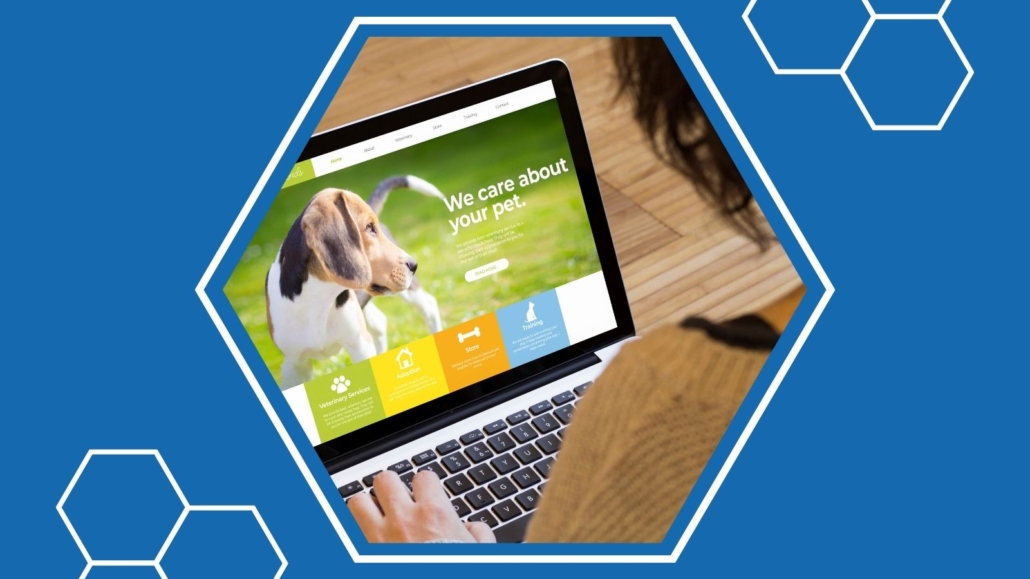
Landing pages for paid traffic: Why do you need them?
Clicking on ads is easy. Getting results with ads isn’t. Unless your landing page turns that click into something useful, your budget burns out fast. Landing pages for paid traffic are where the real work happens. Either they move people forward, or they let them drift away.
This guide shows you how to build landing pages that convert. You’ll see how to structure them, when they matter most, and how to improve results step-by-step. Whether you’re using Google Ads, Meta, or TikTok, this is where your return starts. If you want your campaigns to pay off, start with your landing page.
The job of a landing page in paid advertising
A landing page isn’t your homepage. It’s not the place to introduce your brand. It’s a single-purpose page designed to turn one kind of visitor into one kind of result. The more focused it is, the better it works.
Paid traffic expects one thing above all: consistency. The ad made a promise. Now the landing page has to keep it. That’s message match. It means if your ad says “Get a free quote today,” your page says the same thing right at the top. Not later. Not buried. It’s the first check a visitor makes.
A strong message match lowers friction. That makes people more likely to keep going. Smooth flow from click to action increases the chance that they convert. Even great ads fall flat if the landing page doesn’t align.
Know when to send people to a dedicated page
Use a focused landing page whenever you:
- Pay per click (like PPC ads)
- Target people who haven’t heard of you before
- Promote a time-limited deal or event
- Test something new you’re offering
These are cold visitors. You have seconds to keep them. Landing pages for paid traffic are better than sending people to your homepage because they speak directly to what the ad was about. It’s not the time to share your full story. It’s the time to deliver the offer they came for.
Using Google Ads to drive traffic
Google Ads is one of the most effective ways to send targeted, ready-to-act visitors straight to your landing page. The key to success is making sure your ads and your landing page work together seamlessly. It should deliver a consistent message and a clear value proposition from the first impression to the final click.
To get the most out of Google Ads for your landing page conversion, focus on these essentials:
- Align your ad copy with your landing page: Use the same keywords, tone, and offer in both your ad and your landing page. This creates a smooth user experience and reassures visitors they’re in the right place.
- Highlight your value proposition: Make sure your ad communicates exactly what makes your offer unique, and reinforce that value immediately on your landing page. This helps set expectations and increases the likelihood of conversion.
- Target the right audience: Use Google Ads’ targeting options (like keyword match types, location, device, and audience segments) to attract visitors who are most likely to be interested in your offer. The more relevant your traffic, the higher your landing page conversion rate.
- Optimize for intent: Match your ad campaigns to different stages of the buyer journey. For example, use specific keywords for people ready to take action, and direct them to a high converting landing page designed for that intent.
- Test and refine: Continuously monitor your ad performance and landing page metrics. Use A/B testing to find the best combinations of ad copy and landing page elements that drive maximum conversions.
By strategically using Google Ads to drive qualified traffic and ensuring your landing page delivers on your ad’s promise, you set the stage for higher conversion rates and a better return on your ad budget.
What to track and what your landing page conversion rate tells you
Before the campaign
Set one clear goal. Do you want form submissions, demo bookings, downloads, or purchases? The entire page should support that goal. Before launching your campaign, plan the key elements and key features your landing page needs. Think about compelling designs, credibility signals, essential content, and trust-building components to maximize conversions.
Use Google Ads or Google Analytics to set up conversion tracking. Track button clicks, form submissions, and even micro actions like form starts or scroll depth. These small signals help you learn where people drop off, and strategic placement of forms and CTAs can significantly influence these behaviors.
During the campaign
Watch for:
- Conversion rate
- Bounce rate
- Time on page
- Scroll depth
If your bounce rate is high and your time on page is low, people aren’t finding what they expected. If people scroll but don’t convert, your CTA might be buried or your offer unclear.
Test changes one at a time. Change a headline. Adjust button text. Move the form higher. Each test should focus on one thing.
Tracking and optimizing landing pages that convert for paid traffic is an ongoing process. By understanding the conversion process, you can identify exactly where users drop off and target improvements for better results.
After the campaign
Look at what worked and what didn’t. Review heatmaps, session recordings, and conversion data. Where are people hesitating? What do high-converting sessions have in common? Measure your landing page’s success by analyzing conversion rates and user engagement to determine how effectively your page drives desired actions.
Use these insights to rebuild smarter pages next time. The best landing pages are not built perfectly, but iteratively, with each iteration aiming for more conversions.
What makes a landing page convert? 10 things to get right
1. Match your message, match the mindset
Your ad and your landing page must feel like one piece: Same tone, same keywords and same offer.
Above the fold, show:
- the same offer as your ad
- a compelling headline that addresses user pain points
If your ad says “Free marketing strategy call,” your page should repeat that offer immediately. This is not optional. It’s the moment the user decides whether to stay or go. You can try different types of ads copy to check which one works better.
To go a step further, you can personalize the experience using tools that swap headlines based on the keyword or campaign. But even without that, clear repetition of your core message wins attention fast. Persuasive copy and well-crafted landing page copy that addresses pain points and user pain points can significantly improve conversions.
2. Win the first five seconds above the fold
People scan before they read. That means what they see without scrolling decides whether they stay.
Above the fold, show:
- A headline that clearly explains the value
- A subheadline that adds clarity or urgency
- A call-to-action button that stands out
- High quality images or video background
- Engaging visual elements that support your message
Skip fluff. Skip long intros. Say what it is, who it’s for, and why it matters. That’s it.
High quality visuals can increase engagement and trust, making your landing page more persuasive and effective at converting paid traffic.
3. Load fast and work perfectly on mobile
Speed kills friction. Mobile experience makes or breaks campaigns. Mobile optimization is essential for landing pages that convert for paid traffic, ensure your pages are fast loading and responsive for mobile users to maximize conversions.
Compress your images. Keep scripts light. Avoid pop-ups and banners that block the view. Most paid traffic today comes from phones. If your page takes more than three seconds to load, half your visitors are already gone.
Forms must be tappable. Buttons must be visible. If it’s hard to use, it won’t convert.
4. Use social proof, not promises
Visitors don’t know you yet. Don’t tell them you’re the best. Show them others trust you through
Use:
- Case studies
- Star ratings
- Client logos
- Social proof
- Customer testimonials
- Short testimonials
- Trust badges (like “Secure Checkout” or “Money-back Guarantee”)
Place this near your call to action or right before it. These proof points, especially social proof and customer testimonials, build credibility and are essential for encouraging visitors to take action. They reduce hesitation and build trust fast.
5. One offer, one action
Confusion kills conversions. Give users one clear thing to do.
That means:
- One goal
- One form
- A clear sign up form
- One button label
Tell them what happens after they act. Will they get a confirmation? A follow-up email? Be clear. People convert more when they know what comes next. By focusing on one landing page with a single goal, you can turn your entire landing page into conversion gold.
6. Design with direction
The best landing pages use design to guide action. That doesn’t mean flashy graphics. It means clarity.
Use:
- Headings to break up sections
- White space to separate ideas
- Bullet points to list benefits
- Call to action buttons with strategic placement that pop visually
Don’t crowd the page. Keep the layout simple and the copy short. Every word should support the action you want. Highlighting key features and using a product landing page layout can further improve clarity and drive more conversions.
7. Improve with every test
You won’t get it right on the first try. That’s normal. Landing page performance grows with testing, and creating a new landing page or testing changes is an ongoing process.
Start with big changes. Test different headlines, form lengths, or layouts. Then fine-tune with smaller edits. After doing so, watch behavior. Use heatmaps to see where people hover, pause, or scroll. Use A/B tools to test ideas.
Over time, as you create landing pages and run each test, you gain valuable insights to better understand and optimize the conversion process. These small insights make a big difference.
8. Support visitors with a helpful chatbot
Even with great copy and visuals, some visitors still hesitate. A small, non-intrusive chatbot can make a big difference by answering questions at the moment they arise. It’s not about pushing, it’s about helping.
Use a chatbot that sits quietly in the corner and activates only when needed. It could offer help with booking a demo, understanding a service, or guiding users to the right section of the page. Just don’t let it block the message or cover the CTA. The best chatbot feels like a silent partner, ready when needed but never in the way.
By lowering uncertainty and offering real-time support, a chatbot can boost conversions, especially for users who are nearly ready but need one final push to act.
9. Turn blog traffic into conversions with smart follow-ups
Blog readers already showed interest, now it is time to give them a next step that makes sense. Your landing page should not feel like a switch to sales mode, but rather a natural continuation of the topic they just read.
This works best when the offer aligns closely with the content they engaged with. Think of a downloadable checklist, a template, or a short course. It should build on the value they already received, not repeat it or shift to something unrelated.
This is how you turn passive blog traffic into qualified leads without pushing too hard. The landing page becomes the logical bridge from interest to action.
10. Use fewer form fields, get more conversions
The form is where conversions either happen or die. Every extra field increases friction and drives drop-off. To improve results, ask only for what you truly need at that point in the journey.
For newsletter signups or blog lead magnets, an email is enough. Later you can request more information through nurturing or secondary offers. Tools like progressive profiling help collect details over time, without hurting your initial conversion rates.
Simple, short forms with clear labels make the process feel fast and easy. Especially on mobile, where attention is short and typing is slow, reducing the form to its essentials can double your conversions.
What to explore next
Knowing how to build landing pages that convert for paid traffic is only part of the equation. The real impact happens when those pages are part of a bigger, well-aligned system where ads, intent, tracking, and optimization all work together.
From here, you can deepen your results by refining how your Google Ads campaigns are structured so they fully support your landing pages. Explore keyword intent and buyer stages to make sure the traffic you’re paying for matches the action you’re asking users to take. Reduce wasted spend by applying negative keywords strategically, and sharpen performance further with local search advertising best practices if geography matters to your business.
Equally important is measurement. Setting up reliable, cross-platform conversion tracking allows you to see what’s actually driving results, and what isn’t, so every iteration is smarter than the last. This is how landing pages evolve from “good enough” to consistently high-performing assets.
If you’re ready to put this into action or want expert help designing your next campaign, SublimeStart is here for you. Reach out to our team through our contact page, where you will find a contact form to fill in with every detail to ensure an effective and direct communication. Let’s turn every click into something that counts!