
Marketing Glossary
Understanding key digital marketing terms empowers you to make smarter, data-driven decisions by interpreting metrics like CTR, CAC, LTV, and ROI, giving you clarity to budget better, target more precisely, and achieve stronger results.
Marketing terms
Digital marketing encompasses all online marketing efforts that leverage internet-connected devices to reach target customers through various digital channels. Unlike traditional marketing approaches, digital marketing provides real-time measurement capabilities, precise targeting options, and interactive customer engagement opportunities that have revolutionized how businesses connect with prospective customers.
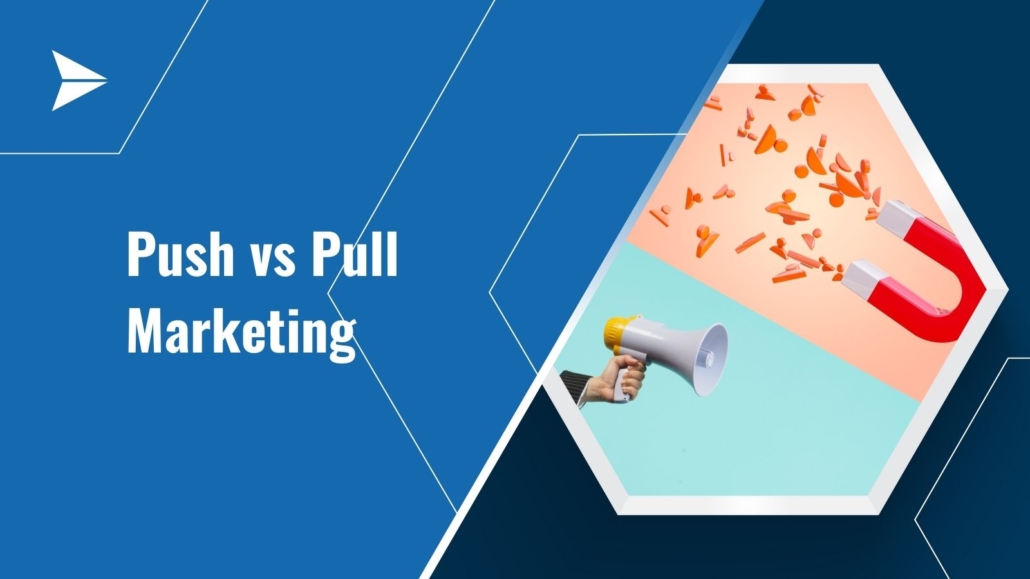
Inbound marketing represents a methodology for attracting customers through valuable, relevant content rather than interruptive advertising. This approach focuses on creating content that addresses customer pain points, optimizing for search engines, and nurturing relationships through educational resources. Inbound marketing typically generates higher-quality leads at lower costs compared to outbound marketing approaches.
Outbound marketing includes traditional push marketing tactics where businesses initiate contact with potential customers through advertising campaigns, cold calling, direct mail, and paid advertising. While often more expensive than inbound approaches, outbound marketing can generate immediate results and reach audiences who might not actively search for solutions.
Content marketing involves creating and distributing valuable, relevant content to attract and engage target audiences with the goal of driving profitable customer actions. This strategic approach builds brand authority, improves search engine rankings, and nurtures long-term customer relationships through consistent value delivery.
Social media marketing leverages platforms like LinkedIn, Facebook, Instagram, and Twitter to promote products, build brand awareness, and engage with existing customers and potential customers. Effective social media marketing requires platform-specific content strategies, community management, and performance measurement across different social media channels.
Email marketing remains one of the most effective digital marketing channels for direct communication with leads and customers. Modern email marketing involves automated workflows, personalization, segmentation, and integration with customer relationship management systems to deliver targeted messages throughout the customer journey.
Search engine marketing combines organic search engine optimization with paid search advertising to increase visibility in search engine results pages. This comprehensive approach ensures businesses capture both immediate paid traffic and long-term organic traffic from search engines like Google and Bing.
Marketing automation uses software platforms to automate repetitive marketing tasks, nurture leads through personalized workflows, and deliver targeted content based on customer behaviors. Marketing automation enables marketing teams to scale personalized communication while maintaining consistent touchpoints throughout the sales funnel.
Brand Strategy and Positioning
Brand awareness measures how familiar your target market is with your brand name, products, and services. Higher brand awareness typically correlates with increased consideration during purchase decisions, reduced customer acquisition cost, and improved marketing effectiveness across all channels. Brand awareness can be measured through surveys, search volume data, and social media mentions.
Brand positioning defines how your brand differentiates from competitors in the minds of target customers. Effective brand positioning communicates unique value propositions, emotional benefits, and specific market positioning that resonates with buyer personas. Strong positioning influences pricing power, customer loyalty, and competitive advantage.
Brand equity represents the intangible value added by brand recognition, customer perceptions, and emotional associations. High brand equity enables premium pricing, easier product launches, and resilience during market challenges. Brand equity accumulates through consistent customer experiences, quality delivery, and positive brand associations.
Brand loyalty reflects customers’ commitment to repeatedly choose your brand over alternatives, even when competitors offer similar features or lower prices. Strong brand loyalty reduces churn rate, increases customer lifetime value, and generates word-of-mouth referrals that lower customer acquisition costs.
Value proposition articulates the unique benefit statement explaining why potential customers should choose your product or service over alternatives. Effective value propositions combine rational benefits with emotional appeals, addressing specific customer pain points while highlighting competitive differentiation.
Go-to-market strategy outlines the comprehensive plan for launching products and entering new markets, including target customer identification, channel selection, pricing strategy, and marketing plan execution. GTM strategies align marketing efforts with sales strategy to accelerate time-to-revenue and market penetration.
Product-market fit occurs when your product satisfies strong market demand, typically evidenced by rapid growth, high customer retention, and strong organic referrals. Achieving product-market fit often precedes successful scaling of marketing activities and sustainable business growth.
Customer Analytics and Metrics
Customer lifetime value predicts the total revenue expected from individual customer relationships over their entire engagement period. CLV calculations consider purchase frequency, average order value, retention rates, and customer service costs to determine long-term profitability and inform customer acquisition investment decisions.
Customer acquisition cost measures the total expense required to acquire one new paying customer, including marketing campaigns, sales activities, and related overhead costs. CAC calculations help marketing teams evaluate channel effectiveness and determine sustainable customer acquisition strategies.
Churn rate calculates the percentage of customers who stop using your product or service during a specific time period. Understanding churn patterns enables proactive retention strategies, identifies product improvement opportunities, and helps predict revenue forecasting accuracy.
Net Promoter Score measures customer loyalty through survey responses asking how likely customers are to recommend your brand to others. NPS scores correlate with growth potential, customer satisfaction, and long-term business performance across industries.
Return on investment compares the gains from marketing activities to their costs, typically calculated as (Revenue – Cost) / Cost × 100. ROI measurement helps marketing teams prioritize budget allocation, evaluate campaign effectiveness, and demonstrate marketing value to executive leadership.
Return on advertising spend specifically measures revenue generated per dollar spent on advertising campaigns. ROAS calculations help optimize paid advertising strategies, compare channel performance, and determine profitable audience segments for future targeting.
Conversion rate tracks the percentage of website visitors or campaign recipients who complete desired actions like purchases, sign-ups, or downloads. Higher conversion rates typically indicate better audience targeting, compelling offers, and effective landing page optimization.
Click-through rate measures the percentage of people who click on links or advertisements after viewing them. CTR serves as an early indicator of campaign relevance, creative effectiveness, and audience engagement across email marketing, paid advertising, and content marketing initiatives.
Lead Generation and Sales Funnel
Lead generation encompasses all marketing activities designed to attract and capture information from potential customers who have shown interest in your product or service. Effective lead generation combines multiple channels, compelling offers, and streamlined capture processes to build a pipeline of qualified prospects.
Marketing qualified lead represents prospects who meet predetermined criteria indicating higher likelihood of becoming customers, typically based on demographic information, engagement behaviors, and expressed interest levels. MQL classification helps marketing teams focus nurturing efforts and improves sales team efficiency.
Sales qualified lead identifies prospects who have been evaluated by sales teams as actively considering purchase decisions and worthy of direct sales engagement. SQL designation typically follows discovery conversations, needs assessment, and budget qualification processes.
Lead nurturing involves developing relationships with prospects through personalized, relevant communication designed to guide them through the customer journey. Effective lead nurturing combines automated workflows with human touchpoints to maintain engagement until prospects are ready to purchase.
Lead scoring assigns numerical values to prospects based on their likelihood to convert, considering factors like demographic fit, engagement history, and behavioral indicators. Lead scoring helps marketing teams prioritize follow-up activities and identify the most promising opportunities for sales engagement.
Sales funnel visualizes the customer journey from initial awareness through final purchase, typically including stages like awareness, interest, consideration, and decision. Understanding funnel dynamics helps marketing teams optimize conversion rates at each stage and identify improvement opportunities.
Top of funnel represents the awareness stage where potential customers first identify problems or opportunities that your product might address. TOFU marketing activities focus on education, thought leadership, and broad audience reach to generate initial interest and brand awareness.
Middle of funnel encompasses the consideration stage where prospects evaluate solution options and compare alternatives. MOFU content typically includes detailed product information, case studies, and comparison guides that help prospects understand your unique value proposition.
Bottom of funnel covers the decision stage where prospects are ready to make purchasing decisions. BOFU marketing activities include pricing information, testimonials, free trials, and direct sales support to convert qualified prospects into paying customers.
Account-Based Marketing (ABM)
Account-based marketing represents a strategic approach focusing marketing and sales resources on specific high-value accounts rather than broad lead generation activities. ABM treats individual accounts as markets of one, requiring personalized content, targeted outreach, and coordinated sales and marketing efforts.
Ideal customer profile describes the companies most likely to benefit from your solution, based on factors like industry, company size, technology usage, and growth stage. ICP development guides target account selection and ensures marketing efforts focus on prospects with highest conversion probability and customer lifetime value.
Target account list prioritizes specific companies with highest closing probability and revenue potential. TAL development considers ICP criteria, market timing, competitive landscape, and sales capacity to create focused lists that maximize marketing and sales team effectiveness.
Strategic ABM delivers highly personalized campaigns for individual key accounts, typically involving custom content creation, executive engagement programs, and dedicated account teams. This one-to-one approach generates highest engagement rates and strongest relationship development with enterprise-level prospects.
ABM Lite creates semi-personalized campaigns for small groups of similar accounts, balancing personalization with scalability. This one-to-few approach enables efficient resource utilization while maintaining relevance for accounts sharing common characteristics or challenges.
Programmatic ABM delivers scalable campaigns for larger account segments using marketing automation and dynamic content personalization. This one-to-many approach enables broad account coverage while maintaining account-specific relevance through data-driven customization.
Account intelligence provides comprehensive data about target accounts including company information, technology stack, recent news, executive changes, and buying signals. Account intelligence enables more relevant outreach, better conversation starters, and improved account prioritization decisions.
Buying committee identifies the group of decision-makers, influencers, and stakeholders involved in purchase decisions within target accounts. Understanding buying committee dynamics helps marketing teams create content for different roles and ensures all relevant stakeholders receive appropriate messaging throughout the sales process.
Marketing Technology and Operations
Marketing technology stack comprises the collection of software tools, platforms, and systems used to execute, manage, and measure marketing activities. Modern MarTech stacks typically include customer relationship management systems, marketing automation platforms, analytics tools, and content management systems that integrate to support comprehensive marketing operations.
Customer relationship management systems manage all interactions and data about customers and prospects throughout the customer lifecycle. CRM platforms serve as central repositories for contact information, interaction history, deal tracking, and customer communication that enable personalized marketing efforts and sales coordination.
Content management system platforms enable marketing teams to create, edit, organize, and publish website content without requiring technical programming knowledge. Modern CMS solutions include SEO optimization features, marketing automation integration, and analytics capabilities that support comprehensive digital marketing strategies.
Marketing operations encompasses the processes, systems, and organizational structures that enable efficient marketing execution and measurement. MarketingOps professionals manage technology implementation, data governance, campaign workflow optimization, and performance reporting that supports strategic marketing decision-making.
Revenue operations aligns marketing, sales, and customer success teams around common goals, shared data, and unified processes designed to optimize entire customer lifecycle management. RevOps focuses on eliminating departmental silos, improving data accuracy, and creating seamless customer experiences from initial awareness through retention and expansion.
Marketing attribution tracks which marketing touchpoints contribute to conversions and revenue, helping marketing teams understand the customer journey and optimize budget allocation across channels. Attribution models range from simple last-click attribution to sophisticated multi-touch models that credit multiple interactions.
Workflow automation creates sequences of triggered actions that guide prospects through personalized customer journeys based on their behaviors, preferences, and engagement history. Automated workflows enable consistent communication, timely follow-up, and scalable personalization without manual intervention.
Data integration connects different marketing and sales systems to create unified customer views, eliminate data silos, and enable comprehensive reporting across the entire marketing technology stack. Effective data integration improves decision-making accuracy and enables more sophisticated marketing automation workflows.
SEO and Content Strategy
Search engine optimization improves organic visibility in search engine results through on-page optimization, content creation, technical improvements, and authority building. Effective SEO strategies combine keyword research, user intent analysis, and competitive assessment to capture qualified traffic from search engines.
Keywords represent the search terms and phrases that potential customers use when looking for information, products, or services online. Strategic keyword research identifies opportunities to create content that matches user search intent while considering competition levels and business relevance.
Search engine results pages display the listings that appear when users enter queries into search engines. Understanding SERP features like featured snippets, local listings, and paid advertisements helps marketing teams optimize content for maximum visibility and click-through rates.
On-page SEO optimizes individual web pages for better search engine rankings through title tags, meta descriptions, header structure, internal linking, and content optimization. On-page factors directly influence how search engines understand and rank page content for relevant queries.
Off-page SEO builds website authority through external factors like backlinks, social signals, and brand mentions that demonstrate credibility and relevance to search engines. Off-page optimization typically requires relationship building, content promotion, and thought leadership development.
Content strategy provides the planned approach for creating, publishing, and maintaining content that supports business objectives and customer needs. Effective content strategies align topic selection, publication schedules, and distribution channels with target audience preferences and business goals.
Thought leadership establishes industry authority and influence through innovative insights, expert commentary, and valuable perspectives that position individuals or organizations as trusted sources of information. Thought leadership content typically generates higher engagement, improves brand credibility, and supports lead generation efforts.
User experience encompasses the overall experience of interacting with websites, applications, or digital products, including usability, accessibility, performance, and satisfaction. Strong UX design supports conversion rate optimization, reduces bounce rate, and improves customer satisfaction throughout digital interactions.
Emerging AI and Automation Terms
Generative AI creates new content including text, images, videos, and audio using machine learning models trained on large datasets. In marketing applications, generative AI supports content creation, personalization, creative development, and campaign optimization while maintaining brand consistency and quality standards.
Search generative experience represents Google’s AI-powered search results that provide contextual summaries and conversational responses directly within search engine results pages. SGE changes how users interact with search results and requires marketing teams to optimize content for AI-generated summaries.
Chatbots use artificial intelligence to conduct automated conversations with website visitors, providing instant customer service, lead qualification, and information delivery. Advanced chatbots integrate with customer relationship management systems and marketing automation platforms to provide personalized, context-aware interactions.
Programmatic advertising automates ad buying through algorithms and real-time bidding systems that purchase advertising inventory based on audience targeting, budget parameters, and performance objectives. Programmatic platforms enable more precise targeting, efficient budget utilization, and real-time campaign optimization.
AI customer segmentation uses machine learning algorithms to identify customer groups based on behaviors, preferences, and characteristics that might not be apparent through traditional demographic or geographic segmentation. AI-powered segmentation enables more precise targeting and personalized marketing approaches.
Predictive analytics leverages data analysis and machine learning to forecast future customer behaviors, market trends, and campaign performance. Predictive models help marketing teams anticipate customer needs, optimize resource allocation, and improve campaign timing and targeting.
Dynamic content automatically adapts messaging, offers, and creative elements based on user data, behavior patterns, and real-time context. Dynamic content personalization improves engagement rates, conversion performance, and customer experience by delivering relevant information to each individual visitor.
Conversational marketing facilitates real-time dialogue between businesses and customers through chatbots, messaging apps, and live chat platforms designed to accelerate buyer journeys and build stronger relationships. Conversational approaches typically reduce sales cycle length and improve customer satisfaction.
Performance Measurement and Optimization
Key performance indicators represent specific metrics chosen to track progress toward marketing objectives and business goals. Effective KPI selection focuses on metrics that directly influence business outcomes rather than vanity metrics that don’t correlate with revenue or strategic objectives.
A/B testing compares two versions of marketing assets, web pages, or campaigns to determine which performs better based on defined success metrics. A/B testing enables data-driven decision-making, continuous improvement, and optimization of marketing effectiveness across all channels and touchpoints.
Conversion rate optimization systematically improves the percentage of website visitors who complete desired actions through testing, analysis, and iterative improvements. CRO focuses on landing page optimization, user experience enhancement, and removing barriers that prevent visitors from converting to customers.
Growth marketing employs experimental approaches to optimize customer acquisition, activation, retention, and revenue expansion through rapid testing, data analysis, and iterative improvement. Growth marketing teams focus on the entire customer lifecycle rather than just initial acquisition.
Multi-touch attribution tracks all customer interactions leading to conversions, providing more accurate understanding of which marketing channels and touchpoints contribute to revenue generation. Multi-touch models help marketing teams optimize budget allocation and understand complex customer journeys.
Cohort analysis studies groups of customers over time to understand behavior patterns, retention rates, and lifetime value trends. Cohort analysis helps identify factors that influence customer success and guides retention strategy development.
Marketing mix modeling uses statistical analysis to measure the impact of different marketing channels, campaigns, and external factors on business performance. MMM helps marketing teams understand incrementality, optimize budget allocation, and predict the impact of marketing investment changes.
Incrementality testing measures the true impact of marketing activities by comparing results from test groups receiving marketing exposure versus control groups without exposure. Incrementality testing helps distinguish between correlation and causation in marketing performance measurement.
Customer Experience and Retention
Customer journey maps the complete experience customers have with your brand from initial awareness through post-purchase advocacy, including all touchpoints, emotions, and decision points. Understanding customer journey dynamics helps marketing teams optimize experiences and identify improvement opportunities.
Customer success proactively helps customers achieve their goals and derive maximum value from products or services through onboarding, training, support, and ongoing engagement. Customer success programs typically improve retention rates, reduce churn, and increase expansion revenue opportunities.
Customer support provides reactive assistance to solve problems and answer questions when customers need help. Effective customer support contributes to overall customer satisfaction, retention, and brand loyalty while reducing negative word-of-mouth and social media complaints.
Customer satisfaction measures how well products, services, and experiences meet or exceed customer expectations. High customer satisfaction typically correlates with increased retention, positive referrals, and higher customer lifetime value across industries.
Customer retention focuses on strategies and tactics designed to keep existing customers engaged, satisfied, and continuing to purchase over time. Retention initiatives typically generate higher ROI than new customer acquisition and contribute significantly to sustainable business growth.
Customer expansion increases revenue from existing customers through upselling additional products, cross-selling complementary solutions, or increasing usage levels. Expansion revenue often provides higher margins and lower acquisition costs compared to new customer acquisition.
Word-of-mouth marketing leverages satisfied customers to generate organic recommendations and referrals through positive experiences, exceptional service, and strategic referral programs. Word-of-mouth typically generates highly qualified leads with lower acquisition costs and higher conversion rates.
Net revenue retention measures revenue growth from existing customer base, including expansion revenue minus revenue lost from churn and downgrades. High NRR indicates strong product-market fit, effective customer success programs, and sustainable growth potential.
Mastering Digital Marketing Together
At SublimeStart, we believe that true mastery in digital marketing comes from the combination of shared knowledge, hands-on experience, and a commitment to continuous learning. By understanding the essential terms, concepts, and tools that shape today’s online landscape, we empower ourselves, and our clients, to make smarter decisions, build stronger strategies, and create meaningful connections with audiences.
But knowledge alone isn’t enough; it’s the collaboration, curiosity, and creativity we bring to every project that transform information into impact. As the digital world evolves, we evolve with it, turning insight into action and challenges into opportunities.
Ready to elevate your brand’s digital presence? Discover how SublimeStart’s tailored strategies in web design, SEO, PPC, social media, and content creation can help your business grow. Let’s build something powerful together!