
Construction Marketing Agency: How to Choose the Right Partner
Finding the right construction marketing agency can be the difference between a full project pipeline and months of chasing referrals that never materialize. In a market where owners and general contractors are researching firms online before making shortlists, your digital presence matters more than ever. This guide breaks down exactly what a construction marketing agency does, which services move the needle, and how to pick the right marketing partner for your specific trade and market.
In this article
Key Takeaways
- A construction marketing agency specializes in marketing for construction contractors, suppliers, and building product brands, focusing on lead generation, bid support, and local market visibility. These firms understand RFPs, procurement cycles, and the long sales timelines unique to the construction sector.
- The most effective agencies combine local SEO, search engine marketing through Google Ads, and content marketing to generate qualified project inquiries. In 2024–2026, over 70% of construction buyers begin their search online, making digital channels critical for pipeline growth.
- Social media marketing and inbound marketing work best in construction when they showcase real projects, safety culture, and technical expertise-not generic stock photos. Video testimonials build credibility through customer experiences far more effectively than polished corporate imagery.
- Choosing the right marketing agency requires checking industry experience, case studies with dates and measurable results, and how their marketing strategy fits your specific niche, whether you’re a commercial GC, a residential remodeler, or a specialty contractor.
- Construction-focused marketing agencies often outperform generalist agencies because they understand procurement cycles, competitive bidding, and how owners and GCs actually select partners.
What Is a Construction Marketing Agency?
A construction marketing agency is a specialist marketing firm that plans and executes marketing strategies for construction businesses: general contractors, specialty contractors, engineering firms, and building product manufacturers. Unlike a generic digital marketing agency, these firms are built around deep familiarity with RFQs, RFPs, bid deadlines, safety messaging, compliance requirements, and project portfolio storytelling.
This distinction matters. A digital marketing company that typically serves restaurants or SaaS brands won’t understand how owners evaluate bidding partners, why union vs. non-union positioning matters, or how to time campaigns around public letting schedules. A construction-focused agency specializes in these nuances every day.
- Example: A regional civil contractor in 2025 might use a construction marketing agency to promote a $120M highway project win to DOTs and city planners through LinkedIn campaigns and published case studies.
Core service areas that define modern marketing for construction include local SEO, search engine marketing, social media, content marketing, brand development, and website development. The best construction agencies layer these channels together because that’s how decision-makers actually research and verify contractors in 2024–2026.
Why Construction Companies Need Specialized Marketing
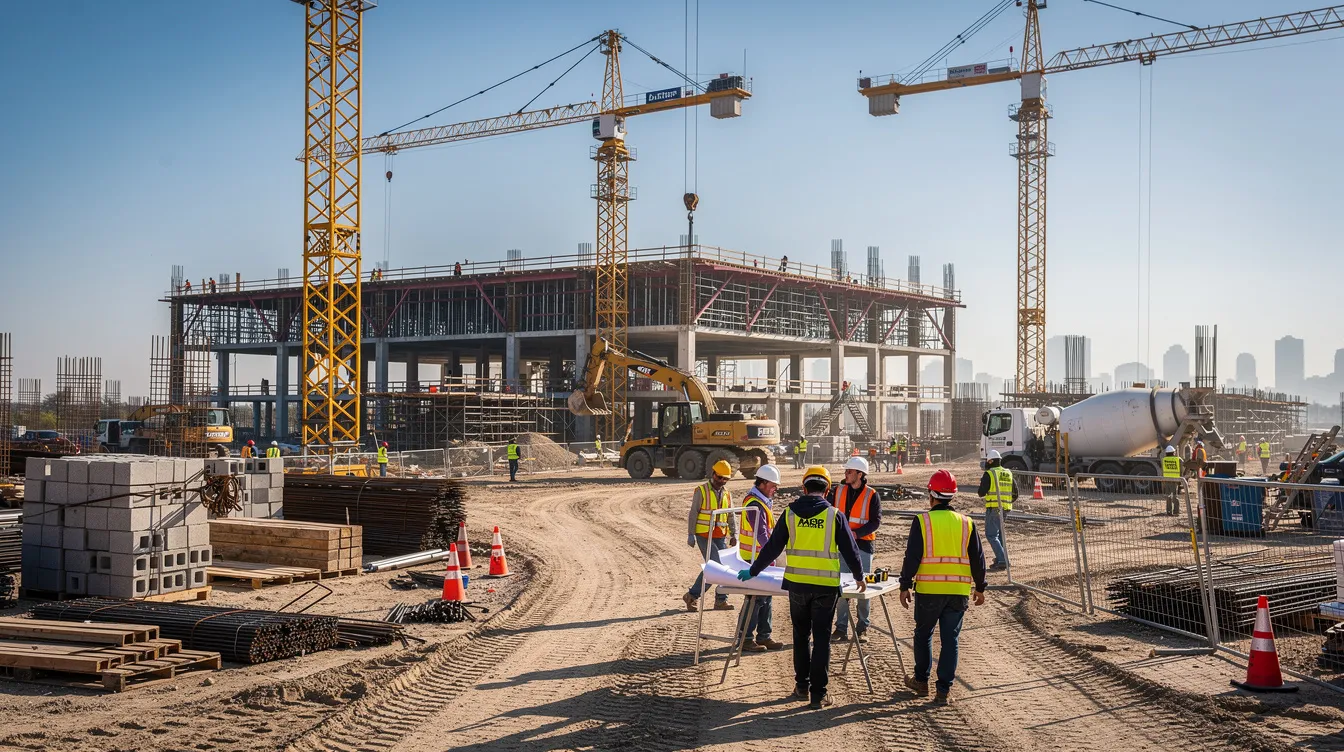
The construction industry in North America exceeded $2 trillion in annual spending by 2025, with projections reaching $2.54 trillion by 2028. Despite this scale, many construction firms still rely mainly on referrals and word of mouth for new business. That works until referrals dry up, a key relationship retires, or market conditions shift.
Construction companies face challenges that generic marketing approaches aren’t built to handle:
- Long sales cycles: Projects span 6–18+ months from planning to award.
- Competitive bidding: Multiple contractors compete on qualifications, price, and relationships.
- Labor shortages: Regional skilled trade shortages affect capacity and positioning.
- Buyer behavior shift: Owners, facility managers, and GCs increasingly Google firms before shortlisting anyone.
A specialized construction marketing agency understands how to nurture client relationships over these extended timelines, matching digital marketing efforts to project milestones-planning, design, pre-construction, and award. They bridge the gap between B2B relationship-based sales (repeat work, negotiated contracts) and inbound lead generation via website inquiries, Google Ads, and local SEO-driven calls.
Choose agencies that understand the construction buyer journey. A design–build contractor in 2024 increased negotiated work by 30% after publishing project profile articles that targeted local “healthcare construction” searches. That kind of result comes from knowing how construction buyers think, not from running generic ad campaigns.
Core Services Construction Marketing Agencies Provide
Most construction marketing agencies offer an integrated mix of digital channels rather than one-off tactics, tailored to how construction buyers research vendors. A full service digital agency in this space typically covers multiple service lines simultaneously because decision-makers cross-reference information across platforms.
SEO and local SEO form the foundation-ranking your website for searches like “commercial roofing contractor Phoenix” or “concrete repair Pittsburgh.” Search engine marketing (PPC) through platforms like Google Ads delivers immediate lead generation while organic rankings build. Content marketing covers project case studies, technical guides, and blog posts that establish authority. Social media marketing uses platforms like LinkedIn and Instagram to build credibility and stay visible to owners and architects. Brand development and web design ensure your website functions as a conversion tool, not just a digital brochure.
Many agencies also support offline elements like proposal graphics, tradeshow materials, and project photography, but the core growth engine is a coordinated digital marketing strategy. Agencies develop investor presentations highlighting ROI, market demand, and risk strategies for firms seeking growth capital. Advanced agencies may also layer in marketing automation and CRM integration to track leads from first click through signed contract, along with email marketing that maintains relationships through newsletters and project updates.
SEO and Local SEO for Construction Businesses
Ranking on Google’s first page for terms like “commercial contractor in Dallas” or “roofing contractor near me” is critical when most construction searches start on smartphones. Search engine optimization improves website ranking in Google searches, and for construction firms, it’s the single highest-ROI channel available. According to industry data, SEO delivers approximately 681% return on investment for construction firms-nearly seven times more than paid social.
Local SEO is crucial for attracting clients in your service area. The fundamentals include:
- Fully optimizing your Google Business Profile with accurate hours, descriptions, photos, and regular posts
- Collecting reviews (ideally 4–5 stars) with project details and photos
- Creating location-specific service pages targeting trade + city combinations (e.g., “Concrete Repair – Pittsburgh PA” or “Tenant Improvement – Phoenix AZ”)
- Building local citations through trade association listings and directories
Broader SEO tactics include technical audits addressing site speed, mobile-friendly design, and crawlability. High-quality backlinks can elevate search engine rankings significantly. Schema markup for LocalBusiness, Service, and Review enhances search results visibility and positions content for Google’s AI Overview panels.
The results speak clearly: SEO can increase website traffic by 800%, and construction companies can receive 20+ leads per day through SEO when executed consistently. SEO strategies can boost conversion rates by 640%, and effective SEO can lead to a 350% increase in sales. A strategic SEO plan can increase organic search visibility for even newer firms. JBS Construction in Milwaukee saw organic keyword rankings rise from 606 to 1,735 over 36 months-a +186% growth-through service pages, location content, and technical SEO.
Building a strong online presence requires a professional website and optimized Google profiles. Many construction marketing agencies pair SEO with search engine marketing through Google Ads for faster lead generation while organic rankings grow. Combining SEO with PPC is the standard approach for construction firms that need pipeline now and want sustainable growth later.
Search Engine Marketing (PPC) for Immediate Lead Generation
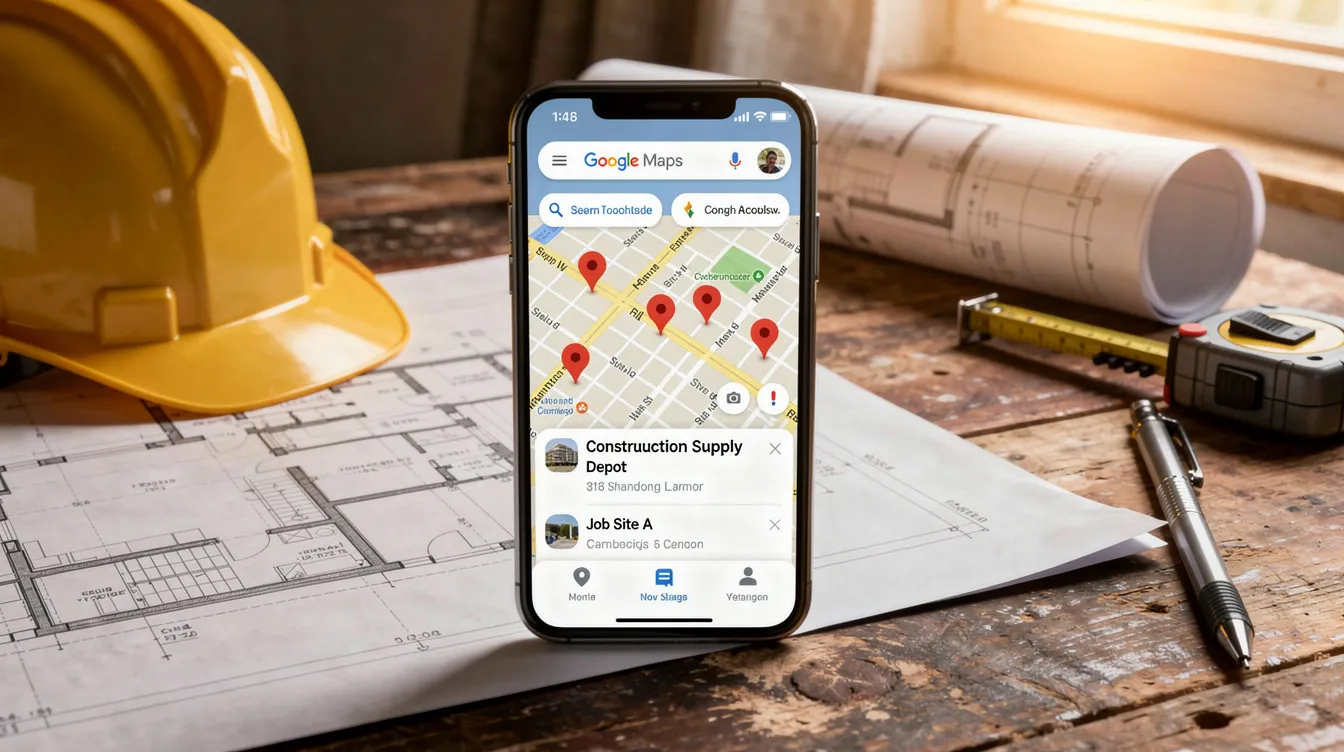
Paid search through Google Ads and Microsoft Ads lets construction contractors appear above organic search results for high-intent keywords like “asphalt paving company Austin” or “industrial electrical contractor Chicago.” Pay-per-click management runs targeted online ads for immediate lead generation, making it the fastest path to qualified leads for construction firms entering new markets or filling seasonal gaps.
A construction marketing agency builds PPC campaigns with precision: keyword selection focused on trade + location + urgency, negative keywords filtering out irrelevant clicks (e.g., “DIY,” “jobs,” “salary”), geographic targeting around actual service areas, and ad copy aligned to project value. Google Ads management at this level requires understanding what construction clients actually search for-not generic phrases.
- Budget ranges: Small residential contractors typically spend $1,500–$5,000/month in ad spend; regional or commercial firms invest $5,000–$30,000+ monthly. Management fees often run 15–18% of ad spend for smaller budgets.
Agencies track conversions including phone calls, form fills, bid requests, and plan downloads, connecting ad spend to awarded job revenue where data allows. A roofing company increased online leads by 800% in one campaign through tightly managed PPC. In another example, KSW Construction saw phone calls rise ~35% and website clicks ~25% within 4 months of combining PPC and local SEO.
PPC fills the pipeline in 60–90 days. SEO builds long-term ranking strength over 6–12 months. Smart construction firms run both.
Content Marketing and Inbound Marketing for Construction
Content marketing and inbound marketing in a construction context mean using valuable information-project stories, technical guides, FAQs-to attract and educate ideal clients rather than interrupting them with ads. Content marketing educates potential clients and establishes firm expertise, which is why it’s become a growth lever for construction firms of all sizes.
Content types that resonate in this industry include:
- Project case studies with dates, budgets, challenges, and outcomes
- Before–after photo galleries
- Safety and innovation stories
- Blog posts about permitting, building codes, or material comparisons
- Video marketing showcasing completed projects and process
Agencies build editorial calendars mapped to buyer questions at each stage. Early-stage content answers “What is design–build vs. design–bid–build?” Mid-stage content targets “How to choose a concrete contractor in [city].” Late-stage content creation focuses on process walkthroughs, testimonials, and safety certifications.
Consistent content supports SEO, builds authority with owners and architects, and gives business development teams shareable assets for email marketing and social media. Creating detailed case studies builds credibility for construction firms and helps with sales collateral development to close deals with professional materials.
Planera, a construction scheduling software company, increased monthly organic visitors from 569 to 2,333 over six months via content strategy-keywords in the top 10 went from 51 to 292. A custom home builder that published monthly blog posts and project tours from 2023–2025 saw organic website traffic triple and now books out projects 6–9 months in advance.
Social Media Marketing for Construction Contractors
Social media marketing in construction is less about viral trends and more about credibility: showing real crews, equipment, projects, and safety culture. Social media management engages local communities and showcases work in a way that traditional marketing simply can’t match. Reputation management through managing online reviews also builds trust across platforms.
Key platforms serve different audiences. LinkedIn is essential for B2B relationships with developers, architects, and general contractors. Facebook and Instagram work well for residential and local community projects. YouTube and TikTok are gaining traction for time-lapse builds, how-to content, and project walkthroughs. Virtual tours allow customers to explore buildings before completion using 3D modeling, adding a premium content layer.
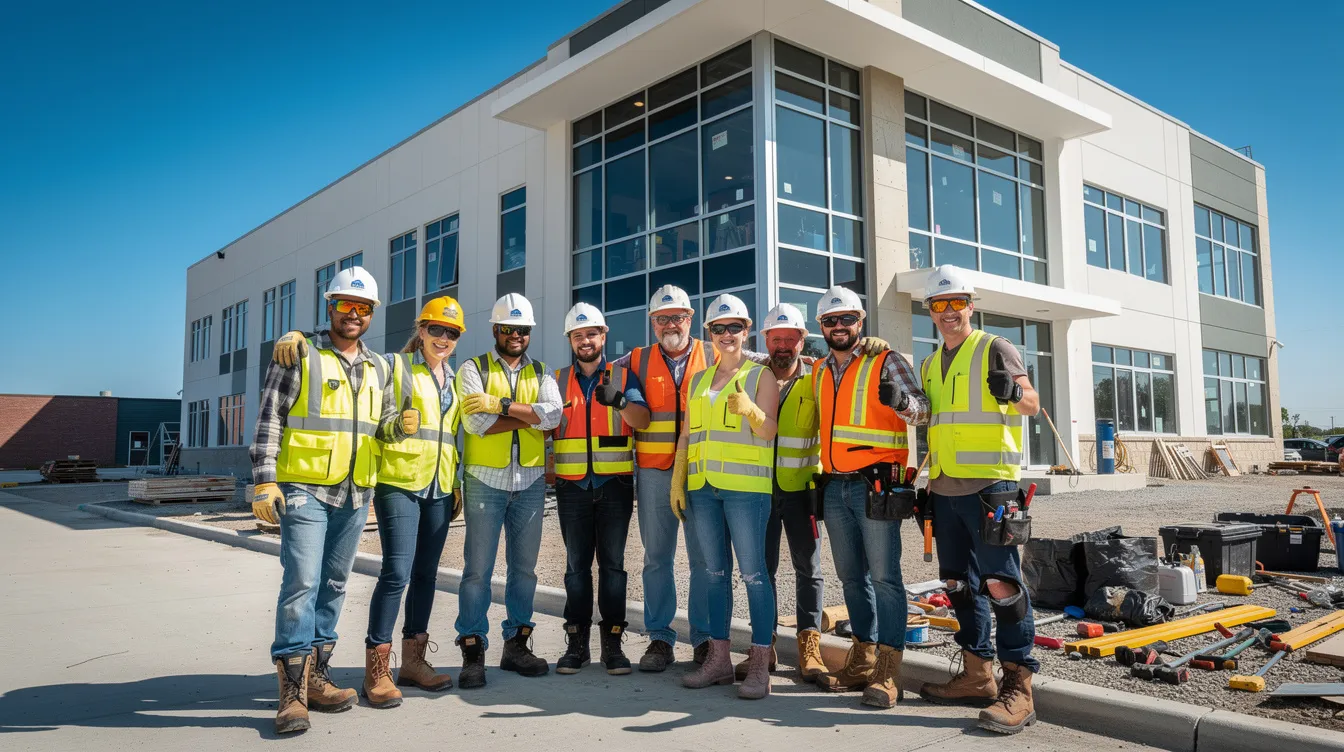
A construction marketing agency builds a social media strategy around content pillars-projects, team, safety, community-with posting schedules and targeted paid advertising campaigns that attract specific demographics using platforms like LinkedIn. Authentic site photos and videos from 2024–2026 outperform stock imagery every time.
Social media can also support recruiting, showcasing company culture to attract skilled tradespeople and project managers in a tight labor market. Referral programs reward satisfied clients for bringing new business, and social channels amplify those programs effectively.
Choosing the Right Construction Marketing Agency
By 2026, dozens of agencies claim construction expertise, making a clear evaluation process essential. Look for agencies with proven industry experience-not firms that occasionally take on a contractor client between their restaurant and dental office accounts.
Selection criteria that matter:
- Years of specific construction experience with portfolios showing work from 2022–2026
- Case studies with measurable results-keyword rankings, lead volume, conversion rates, or contract awards
- Understanding your niche: heavy civil vs. home remodeling vs. specialty trades
- Transparency in reporting and analytics, including how leads connect to revenue
- Contract flexibility with realistic timeframes (SEO requires months, not weeks)
- Agencies should offer transparent pricing and results-driven portfolios
Several agencies have established track records: Venveo offers SEO, content marketing, and brand development services. Thrive provides web design, SEO, and PPC management services. MediaForce specializes in digital marketing for construction contractors. SmartSites is a Google Premier Partner offering SEO and PPC services. Construction Marketing Inc. focuses exclusively on marketing for construction firms.
Questions to ask any agency on your shortlist:
- “How do you handle local SEO for multi-location contractors?”
- “How do you connect leads to awarded project revenue?”
- “Can you show recent work (2023–2026) in my trade and region?”
- “What tracking tools and dashboards will you provide?”
Talk to 2–3 client references in similar trades or markets. Ask about communication style, responsiveness, and actual ROI delivered.
How a Construction Marketing Engagement Typically Works
Most partnerships start with discovery and planning, followed by implementation, optimization, and long-term refinement. A typical marketing team will take your construction business through a structured 90-day onboarding:
- Weeks 1–4: Research and strategy-inputs gathered on service areas, project portfolio, seasonality, close rates, and competitive landscape. SEO and technical audits completed.
- Weeks 4–8: Website or landing page updates, service + location pages built, web development and technical corrections, CRM or tracking systems configured. Web design builds professional mobile-friendly websites to showcase project portfolios.
- Weeks 8–12: Full content calendar launched, PPC campaigns ramped, social media work begins, initial case studies produced.
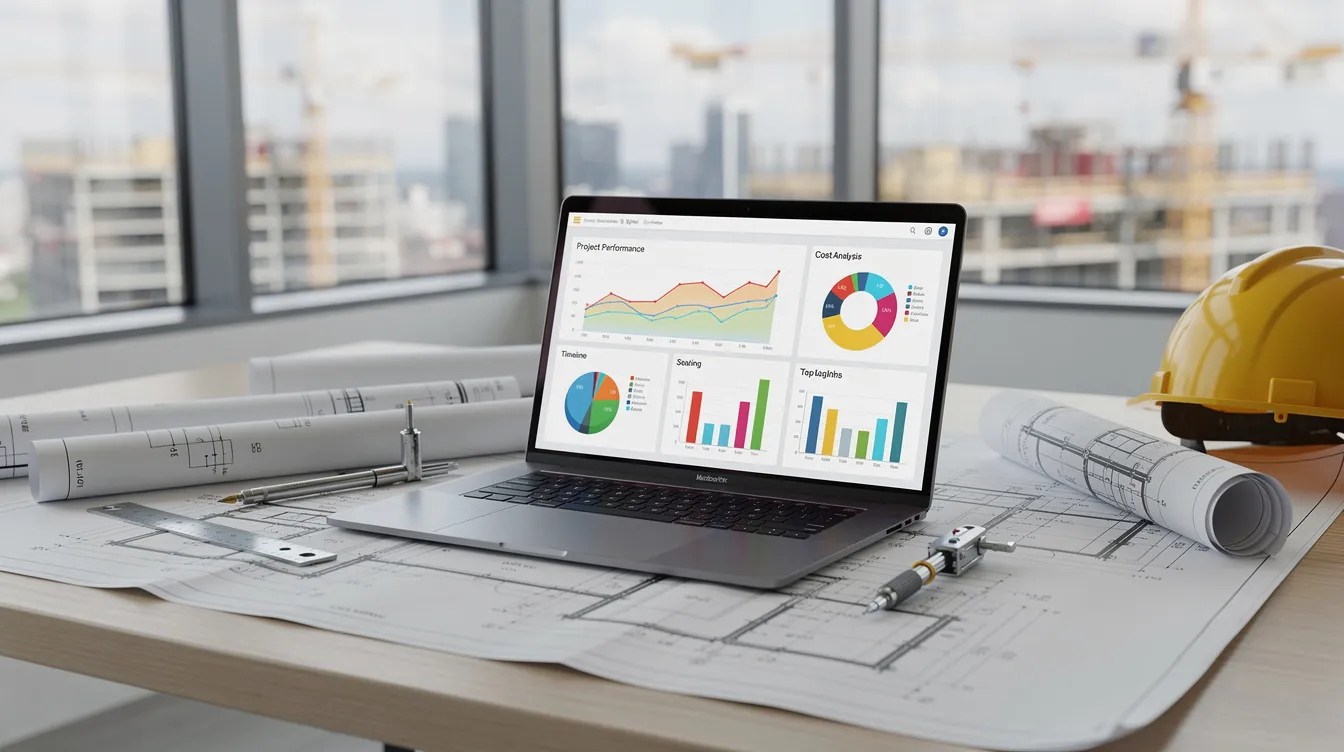
Agencies provide monthly reporting meetings covering website traffic, form fills, phone calls, qualified leads, bid requests, and close rates. Marketing performance is measured against your marketing plan goals, not vanity metrics.
Digital marketing strategies can take 3–6 months to show results. Construction marketing strategies should adjust seasonally-stronger residential campaigns in spring–summer, commercial and public bid support timed around fiscal years and letting schedules. Contract structures vary: month-to-month, 6-month, or 12-month retainers. Longer commitments are often necessary for SEO and content marketing impact.
Marketing Strategies for Different Types of Construction Businesses
A construction business serving residential homeowners needs a fundamentally different digital marketing strategy than one pursuing $50M public infrastructure projects. Effective contractor marketing depends heavily on who you’re trying to reach.
For residential remodeling companies, local SEO is foundational. Service + city pages, Google Reviews, Google Local Services Ads where available, and social media showcasing kitchens, baths, and exteriors drive the majority of leads. A kitchen showroom client reported 4x revenue growth in two years through focused local digital advertising. Geofencing advertising targets potential clients in specific locations with digital ads, which works especially well for home service contractors.
Commercial GCs and construction managers need a different approach. LinkedIn thought leadership, email nurturing targeting owners, facility managers, and developers, and project profiles that demonstrate capacity and safety culture are critical. Business development coaching helps these firms translate marketing leads into relationship-based contracts for high value projects. Agencies implement branding and market positioning to differentiate companies in competitive markets.
Specialty contractors in HVAC, electrical, and roofing benefit from tightly targeted search engine marketing campaigns-keywords like “24/7 industrial electrician Cleveland” or “flat roof repair Dallas”-with service pages for each specific offering. A deck restoration client received 20+ qualified leads per day through this approach. Utilizing photorealistic 3D rendering allows clients to visualize projects before construction, adding a sales advantage for specialty trade businesses.
Infrastructure and heavy civil contractors deal with public agencies and DOTs. Marketing includes RFP support, safety culture content, compliance messaging, and visibility through industry events and trade publications. Targeted advertising reaches specific demographics looking for new developments in this sector.
Common Mistakes Construction Companies Make With Marketing
Many construction contractors underinvest in marketing or treat it as an occasional task when work slows down, leading to inconsistent results. The feast-or-famine cycle often traces back to these mistakes:
- Relying entirely on referrals with no digital presence as a backup
- Running an outdated, non-mobile website that doesn’t reflect current capabilities
- Ignoring local SEO fundamentals like Google Business Profile optimization and review collection
- Using generic messaging (“on time, under budget, quality”) that every competitor also claims
- Not tracking attribution to know which jobs came from which campaigns
- “Spray and pray” tactics-random sponsorships, sporadic social posts, too many channels without focus
Copying competitors’ taglines fails to differentiate. Storytelling around complex or landmark projects sets a firm apart. Twisted Nail experienced a significant increase in traffic after a website redesign that replaced generic copy with detailed project narratives and service-specific pages.
The firms winning work in 2026 aren’t just the best builders-they’re the ones easiest to find and most credible online.
Baldwin Builders shifted from a Wix template with generic messaging to a technically optimized site with local permit guides and neighborhood-specific content. Within months they ranked in the Google Map Pack, surpassing firms that had been established for decades.
How to Measure ROI on Construction Marketing
Construction firms should measure marketing not just by clicks or impressions, but by qualified leads, bid opportunities, and ultimately awarded contract value. Effective digital marketing can boost sales by 350% in 6 months when properly tracked and optimized.
Key metrics every construction business owner should monitor:
| Metric | What It Measures | Why It Matters |
|---|---|---|
| Website traffic growth | Visibility trend | More visitors = more potential leads |
| Conversion rate | Visitors → leads | Conversion rate optimization directly impacts pipeline |
| Cost per lead | Marketing spend efficiency | Benchmarks: ~$165/lead via Google Ads in construction |
| Cost per opportunity | Lead → bid invitation | Connects marketing to actual business development |
| Pipeline value | Estimated contract value from marketing leads | Translates clicks into revenue language |
Practical tools include call tracking, form tracking, UTM-tagged links in proposals and emails, and CRM systems used by estimating teams. A decking eCommerce store saw a 350% sales increase in six months by properly tracking and optimizing its digital channels. Stovall Construction saw +155% online leads and +257% conversion rate improvement after combining site redesign with SEO.
ROI in construction often shows up over 6–18 months due to long project cycles. Tracking by opportunity stage-pre-qualification, shortlist, proposal, award-is more realistic than expecting instant revenue. Construction companies can achieve 800% more online leads with sustained effort. A good construction marketing agency will provide dashboards and monthly reviews, translating digital metrics into expected backlog and revenue impact.
Working With a Construction-First Agency vs. a Generalist Agency
Construction-first agencies-those that only serve contractors, building material brands, and construction and trade businesses-operate differently than generalist marketing firms that work across many industries. Atlas Marketing, for example, focuses specifically on construction niche clients, while a generalist digital agency might split attention across healthcare, retail, and restaurants.
Advantages of a construction-focused marketing partner:
- Understanding seasonality, safety culture, and field constraints
- Familiarity with union vs. non-union considerations and project documentation
- Knowledge of industry organizations like AGC, ABC, NAHB, and local builders’ associations
- Ability to integrate online marketing with sponsorships and industry events
- Technical expertise in construction-specific web development and content
A generalist marketing firm may produce a visually attractive website, but the messaging and calls-to-action often miss how owners and GCs actually buy construction services. Generic CTAs like “Get a Free Quote” fall flat when buyers expect to see prequalification forms, project portfolios, and safety records.
Shortlist agencies with proven construction portfolios before considering general agencies. The contractor growth network of a construction-focused firm will always outperform a generalist’s Rolodex when it comes to understanding your buyers.
FAQ: Construction Marketing Agencies
How much does a construction marketing agency typically cost?
For small local contractors, monthly retainers typically range from $2,500–$5,000 for essential seo services like local SEO and Google Ads. Regional players investing in broader digital marketing services usually spend $5,000–$9,000/month, while commercial and industrial firms with full-stack needs run $9,000–$18,000/month or more. Enterprise and multi-location clients may invest $18,000–$40,000+ monthly. Most agencies separate media spend from management fees, and contracts often run 6–12 months minimum for SEO-focused work. Website builds range from $4,500 for a simple residential GC site to $45,000+ for complex industrial contractor platforms.
How long before construction marketing starts generating results?
PPC and paid social campaigns can generate leads within 30–60 days, especially for residential and small commercial projects, if landing pages and tracking are configured correctly. SEO and content marketing usually take 4–6 months to show clear movement in search engine rankings, and 9–12 months to deliver consistent inbound leads for competitive terms. IAM Builders went from near-zero organic presence to 2.45 million impressions and 13,500 organic clicks in 12 months. For large commercial and infrastructure work, marketing ROI typically shows up as increased bid invitations and more negotiated opportunities over 6–18 months.
Can a small construction company handle marketing in-house instead of hiring an agency?
Very small contractors (under 10 employees) often start with a hybrid approach: a basic website, a claimed Google Business Profile, and DIY social media, then bring in a marketing agency for SEO and PPC when they want faster growth. Local SEO can generate 20+ leads per day for businesses that optimize properly, but getting there requires skills in web design, copywriting, analytics, and search engine optimization that are difficult for one person to master alongside estimating and project management. Even companies with an internal marketing coordinator often benefit from partnering with a construction marketing agency for brand strategy, technical SEO, and campaign management.
What information does an agency need from my construction business to get started?
Agencies need service areas, target project sizes and types, your past project portfolio with dates, locations, and values, client lists, and any existing brand guidelines or qualifications statements. Performance data like close rates, average job size, and seasonal patterns help agencies design accurate digital marketing strategies and budgets. Current photos, testimonials, and safety or award records from 2020–2026 allow the agency to create stronger case studies and website content quickly. The more data construction business owners can provide upfront, the faster the ramp-up.
Is social media really important for B2B construction firms?
For B2B construction-commercial, industrial, infrastructure-social media is less about direct lead generation and more about visibility, trust, and staying on the radar of owners, GCs, and partners. LinkedIn is especially valuable in 2024–2026 for sharing project milestones, award announcements, and thought leadership that positions a construction firm as credible and capable. While social media alone rarely replaces relationships or competitive bidding, it reinforces brand awareness and influences shortlist decisions over time. Video testimonials and authentic project content consistently outperform polished corporate posts in the construction niche.
SublimeStart can help with your Construction Marketing
Winning more bids and negotiated contracts starts with being visible and credible when project owners and contractors research firms online. By combining local SEO, paid search, and content, you can attract more opportunities. If you’re ready to improve your online presence, explore our construction marketing services or contact us to get a qoute.