
How to Scale Multi-Location Franchise Brands
Scaling a franchise brand across dozens or hundreds of locations demands more than a bigger budget for the same marketing playbook. It demands an entirely different approach. This article breaks down the franchise marketing services that modern multi location brands need, from search engine optimization and local SEO to social media marketing, content marketing, paid media, and analytics, all designed to drive measurable franchise growth without sacrificing brand consistency or local relevance.
In this article
Franchise Marketing Requires a Different Playbook
If you run a single-location business, your marketing strategy is relatively straightforward: reach the people near you, convert them, repeat. Franchise marketing services operate on a fundamentally different level because they must promote local transactions in specific territories while simultaneously building a national (or global franchise network) brand. Effective franchise marketing services require both corporate brand building and local customer acquisition working in concert, not in competition.
Three major shifts between 2024 and 2025 have made this distinction even sharper. First, AI-assisted search features like Google’s AI Overviews and featured snippets now answer many queries without a click, meaning franchise brands need to optimize for visibility beyond traditional blue links. Second, multi-location SEO has become a core channel rather than a nice-to-have, because “near me” searches continue to dominate local discovery. Third, rising ad costs across Google and Meta have made paid-only strategies unsustainable for franchise businesses trying to scale efficiently.
The central tension every franchisor faces is protecting brand consistency while giving each franchise location enough flexibility to compete in its own market. Franchise marketing requires customized strategies for franchisors and franchisees because what works in Phoenix may fall flat in Portland. Different markets bring different regulations, seasonal demand, competitive landscapes, and customer behaviors. A one-size-fits-all marketing strategy fails for marketing franchise systems because it produces generic creative that underperforms locally, duplicate content that gets penalized by search engines, and wasted marketing spend on campaigns that don’t resonate.
This is why franchise marketing includes two distinct categories: developmental marketing, which focuses on attracting new investors to sell more franchise units, and operational marketing, which promotes the brand’s products or services directly to customers. A hybrid marketing approach that addresses both streams benefits both franchisors and franchisees, and it requires specialized franchise digital marketing services to execute at scale.
The rest of this article will walk through the concrete, actionable services that franchise brands need now, with real benchmarks, case studies, and frameworks you can apply whether you manage 10 locations or 1,000+.
Core Franchise Marketing Services Modern Brands Need
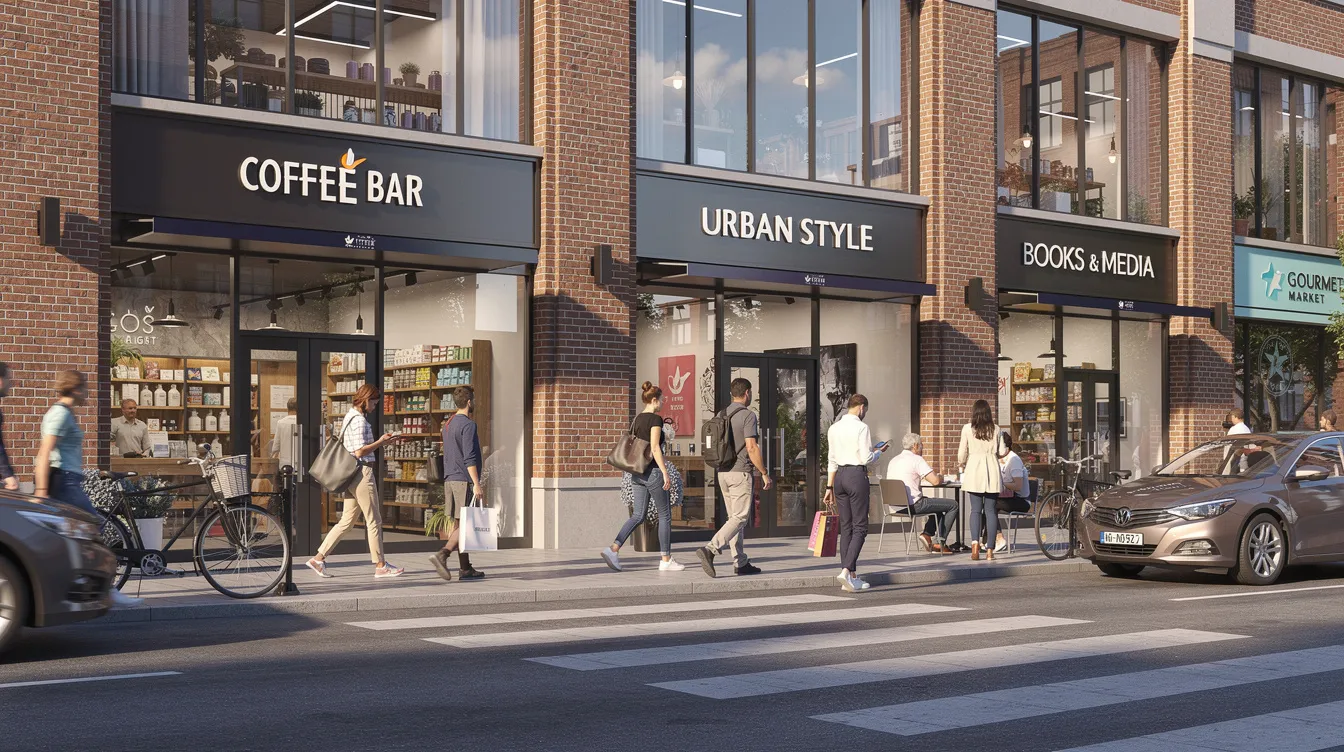
A dedicated franchise marketing agency in 2024–2026 should offer a portfolio of service pillars built specifically for scale. Key services in franchise marketing include localized SEO and targeted content strategies, but the full stack goes much deeper. Here are the core services to look for:
- Search engine optimization – Building domain authority for the corporate site, capturing national category keywords, and laying the technical foundation (site speed, schema, mobile-first design) that supports every location page.
- Local SEO – Ensuring every franchise location has an optimized presence: city-specific landing pages, Google Business Profile management, consistent NAP (Name, Address, Phone), local link citations, and geo-targeted content.
- Social media marketing – National brand storytelling combined with local voices, platform-appropriate content (Reels, TikTok, short video), and community engagement managed through a social media strategy that scales.
- PPC / paid search – Campaigns split between national brand awareness, franchise development marketing to attract new investors to buy franchises, and location-level digital advertising for store traffic, using pay per click advertising with tools like Google Ads.
- Content marketing – Blog posts, FAQs, video, local-interest content, and franchise recruitment content that supports both SEO and customer education.
- Email and SMS marketing – Nurturing sequences for customer acquisition and franchisee recruitment, localized promotions, appointment reminders, and loyalty programs powered by marketing automation.
- Online reputation management – Managing reviews at scale with automated requests, centralized monitoring, response templates, and brand guideline enforcement. Reputation and listing tools centralize customer communication for franchises.
- Conversion-focused website development – Location pages built for high conversion: lead capture forms, map clicks, call buttons, fast load times, and mobile responsiveness.
Franchise development marketing and consumer-facing franchise marketing serve different audiences and require different strategies. A full-service partner should support both. Centralized marketing campaigns build brand awareness across franchise locations, while local store marketing targets specific local franchise traffic. Brand credibility helps attract customers for franchises immediately, but only if the local execution matches the national promise.
Cost efficiency is gained through access to shared marketing materials for franchises, and shared technology platforms facilitate tracking marketing results across every unit. Each service must be built to work at scale. Agencies can help franchises manage marketing across hundreds of locations, but the systems, processes, and governance need to support growth from day one.
Search Engine Optimization and Local SEO for Multi-Location Franchises
SEO and local SEO are foundational for franchise brands because most consumers still begin their searches on Google or Maps, often with “near me” intent. Local SEO is essential for driving local traffic to franchise locations, and localized digital marketing services enhance brand standing in local markets where franchise owners compete against both independent businesses and other franchise systems.
A franchise SEO strategy generally operates on three layers:
- Corporate site SEO – Authority building through high-quality backlinks, national keyword targeting (e.g., “best [industry] franchise”), and technical infrastructure that supports the entire domain.
- Location pages / microsites – One page per location, each with unique content covering local services, staff bios, neighborhood context, and specific promotions, optimized with local title tags, meta descriptions, and LocalBusiness schema markup.
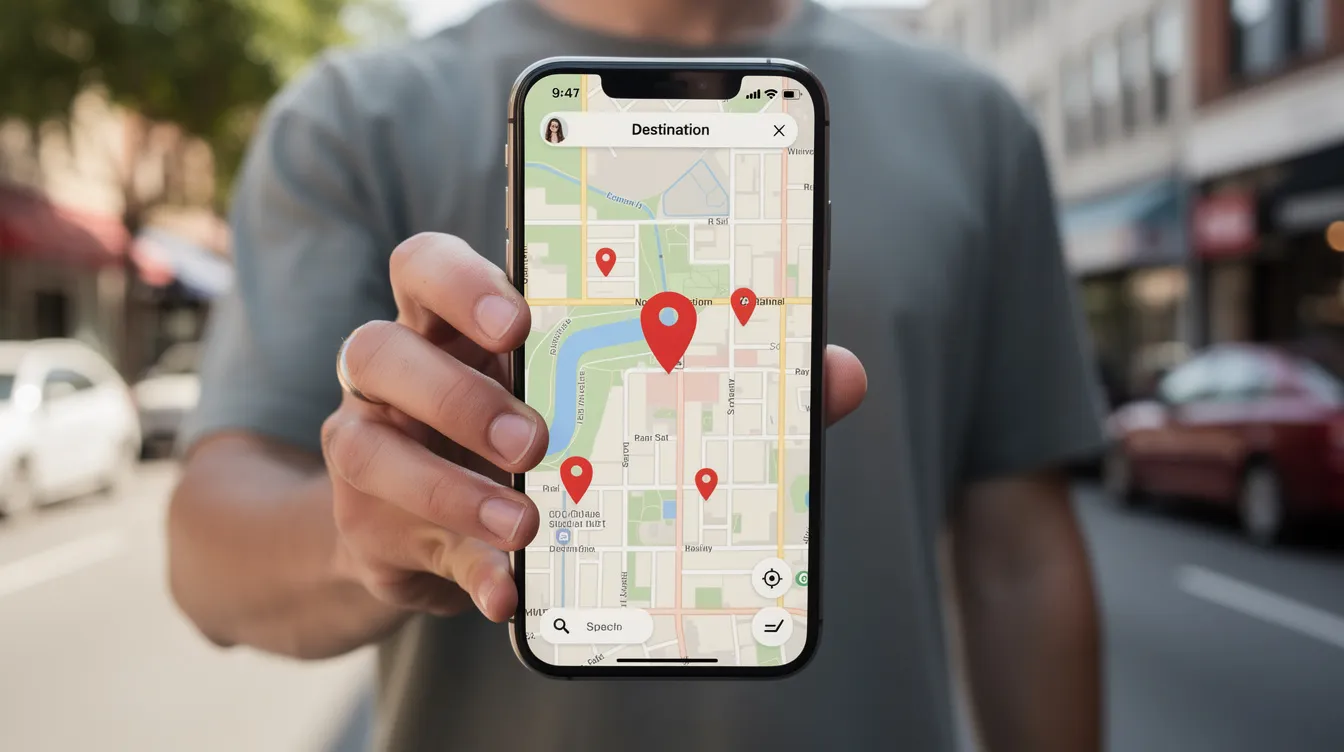
- Local listings / GBP / Maps – Every location’s Google Business Profile, Apple Maps listing, Bing Places profile, and relevant local directories, all with consistent NAP data, correct categories, service area settings, photos, and posts.
A franchise-focused search engine optimization program should cover technical audits (site speed, Core Web Vitals, HTTPS, duplicate content detection), scalable multi-location site architecture, schema markup with geo-coordinates, localized content targeting “[service] near me” and “[service] in [city]” phrases, internal linking from corporate to location pages, and high-quality link building including local sources like chambers of commerce and community organizations.
Consider this: a home services franchise with 80 locations in the U.S. can generate thousands of local calls per month by ranking each city page for “[service] near me” and “[service] in [city]” terms. In one documented case, a luxury home services franchise opened a new Florida location, did no paid ads, and generated $244,000 in organic revenue within 12 months through local SEO content alone, achieving a 13.6× ROAS.
Local SEO tasks differ meaningfully from national SEO. NAP consistency, review velocity and recency, local link citations, and geo-targeted content have more immediate impact on in-market discovery than broad content or national backlink campaigns. Targeted digital advertising focuses on regional needs for franchises, and franchise marketing must adhere to strict brand guidelines while being locally relevant.
Modern franchise marketing services increasingly factor in AI search and featured snippets, optimizing structured data for voice queries and ensuring content is readable by AI aggregator tools, not just traditional rankings.
Structuring Franchise Websites and Location Pages for SEO
Best practices for multi-location website structure in 2024–2026 include using well-planned URL paths like /locations/city/brand-service or /city/brand-service for each location. Avoid subdomains unless there’s a distinct regulatory reason. Each location page must contain unique content: even when services are similar, include localized elements like staff bios, local landmarks, customer testimonials, and location-specific offers. Franchises often require customized marketing strategies for each location, and this extends directly to how their web pages are built.
Duplicate content across location pages (identical paragraphs with only city name swaps) risks penalties under Google’s helpful content system. To maintain brand consistency and compliance while avoiding duplication, use a template framework with mandatory unique sections: a local introduction paragraph, at least two location-specific testimonials, and a community involvement blurb.
Technical elements matter just as much:
- Fast Core Web Vitals metrics (CLS, LCP, INP)
- Mobile responsiveness across all device types
- HTTPS across the entire domain
- XML sitemaps listing all location pages
- Localized schema markup (LocalBusiness with accurate geo-coordinates, hours, service areas)
- Organization schema at brand level
- Proper canonical tags where pages share structural similarity
In one case, a U.S. school franchise saw 900%+ traffic growth across multiple locations by implementing consistent local SEO and optimized listings over a 12-month period. These results are typical when franchise marketing systems invest in structured, scalable SEO rather than piecemeal efforts.
Leveraging Local SEO and Reviews to Dominate “Near Me” Searches
Optimizing Google Business Profiles at scale is one of the highest-leverage activities in franchise digital marketing. For each franchise location, the optimization checklist includes:
- Select precisely the correct business categories
- Define service area if applicable
- Add high-quality, fresh images monthly
- Use GBP Posts for promotions, events, and updates weekly
- Populate Q&A proactively with anticipated customer questions
- Respond to reviews within 24–48 hours
Review management systems are essential for any established franchise. Automated review request workflows (triggered post-service via SMS or email), brand-approved response templates, and centralized monitoring protect brand reputation while allowing local personalization. Franchise marketing services help manage online reviews for brand image consistency, and franchisors often provide tools for franchisees to market locally, including review solicitation platforms.
Star ratings and review volume directly influence local pack rankings and conversion rates. Complete GBP profiles drive roughly 70% more location visits and 50% more purchase consideration compared to incomplete ones. A practical benchmark: aim for 4.5+ stars and 50–100 recent reviews per location to maintain visibility and click-through momentum.
National marketing teams should supply brand guidelines and approved responses while still allowing local personalization. Mention the location name, staff members, or specific service details to make responses authentic. Local marketing strategies include community engagement and localized advertising, and reviews are one of the most direct forms of community engagement available.
Franchise Social Media Marketing: National Story, Local Voice
Social media remains a core channel for consumer advertising in the franchise industry. According to the 2024 Annual Franchise Marketing Report, Facebook (81–88%) and Instagram (69–85%) remain the most widely used platforms among franchise brands, with LinkedIn, YouTube, and TikTok growing fast, particularly for video content and younger audiences.
The challenge is clear: franchisors must maintain brand consistency while empowering franchisees to post localized content and respond in real time to their communities. Localized social media marketing creates community connections for franchises, but without guardrails, it risks brand dilution. Meanwhile, franchisees often lack marketing resources compared to larger brands, and franchisors may struggle to provide adequate marketing support to all locations simultaneously.
A franchise marketing agency should structure social media management for franchises using three layers: a corporate content calendar with national campaigns, an asset library with approved templates and imagery, and a local-level posting framework that gives franchise owners controlled access to customize and publish.
Specific tactics that drive results:
- Geo-targeted ads for grand openings or local promotions
- Seasonal campaigns tied to local events, school calendars, or weather patterns
- User-generated content: customer photos, videos, and testimonials
- Employee-spotlight content that humanizes local stores and builds trust
Some brands use centralized social media management tools or SaaS platforms like Franify (launched by Reshift Media in April 2026) to manage local operator involvement in social posts, paid social media advertising, reviews, and marketing performance monitoring. But technology alone isn’t enough; human-led strategy, creative direction, and community management remain essential.

Paid Social and Hyper-Local Targeting for Franchise Locations
Paid social campaigns across Facebook, Instagram, TikTok, and LinkedIn can be centralized at the brand level while budgets and creatives are localized for each franchise territory. This structure prevents a common problem: franchise competition can occur between franchisees of the same brand when overlapping ad targeting causes internal bidding wars.
Audience strategies for hyper-local franchise advertising include:
- Geo-fenced targeting – Drawing a 3–5 mile radius around each store location
- Lookalike audiences – Built from CRM data of high-lifetime-value customers per location
- Retargeting – Serving ads to site visitors who browsed but didn’t convert, with coupon offers or booking incentives
For example, a quick-service restaurant franchise running a 5-mile radius Facebook ad for a new menu item across 200 locations, each with localized store maps and directions, can drive measurable foot traffic and incremental franchise sales. Campaign structures should use Master/Manager accounts in Facebook Business Manager or Google Ads with labels and tags for location-level accountability.
Reporting should roll up at both the brand level (total spend, ROAS, national reach) and the individual-location level so franchisees see their own results. KPIs include impressions, engagement, cost per local lead, store visits, and return on ad spend. Competition can arise between franchisees within the same brand, so careful budget allocation and territorial boundaries in targeting are non-negotiable. Franchise marketing must address competition from other franchise locations through smart campaign architecture, not just more spend.
Content Marketing and Brand Storytelling for Franchise Systems
Content marketing is critical for franchise marketing solutions because it serves multiple roles simultaneously: feeding organic and local SEO, differentiating the brand in crowded local markets, and educating both consumers and potential franchise investors. In 2025–2026, consumers expect helpful, localized content, and search engines reward it.
A franchise marketing plan should include a mix of content types:
- Blog posts addressing common customer questions and local topics
- City-specific landing pages that support local SEO
- FAQs structured for voice search and AI discovery
- How-to guides and video content
- Franchisee success stories that humanize the brand
Brand storytelling works at two levels. Corporate storytelling covers the origin story, brand values, and national campaigns that build awareness. Local storytelling features community involvement, local partnerships, events, and the franchise owners themselves. A content series like “Local Hero,” spotlighting franchise owners in their communities, can run across dozens of markets while giving each location its own authentic voice.
Public relations enhances franchise brand visibility and consumer trust. Localized PR strategies strengthen community connections for franchises, while media relations elevate franchise authority in competitive markets. Crisis management is crucial for protecting franchise reputations when issues arise, and effective PR strategies can attract potential franchisees who see a well-managed, visible brand.
Content should serve multiple goals: organic visibility, sales enablement, and franchise development recruitment. It’s not just a marketing effort; it’s infrastructure.
Content to Support Franchise Development and Recruitment
Franchise digital marketing services also need dedicated content for attracting potential franchisees, entirely separate from consumer-facing content. Franchise development marketing focuses on a different audience with different questions, timelines, and decision criteria.
Key assets include:
- Franchise opportunity pages optimized for search terms like “own a [industry] franchise”
- Earnings and investment overviews (compliant with FDD/Item 19 disclosure requirements)
- “Day in the life” videos featuring current franchise owners
- Downloadable franchise guides or FDD explainers
- Testimonials and success stories from existing franchisees
SEO and paid media can drive qualified leads to these assets. Ranking for terms like “franchise opportunities in [state]” or running targeted PPC for franchise development keywords reduces cost per acquisition significantly. In many franchise audits, organic franchise development leads cost $75–$125 versus $200–$400 via paid franchise portals. Franchise Marketing Systems has helped sell 9,720 franchises since 2009, demonstrating the long-term value of sustained franchise lead generation efforts.
The U.S. franchise industry output in 2026 is estimated at approximately $921.4 billion with roughly 845,000 units, and interest in franchise ownership continues to grow in sectors like home services, health and wellness, and children’s education. Content that speaks directly to prospective investors in these sectors accelerates the franchise sales funnel.
Integrated Online Marketing: PPC, Email, and Analytics for Franchises
Paid search, display, email, and SMS integrate with SEO and social media to create a full-funnel franchise marketing strategy. No single channel delivers results alone; the power comes from how they work together. Online marketing for franchises must cover awareness (social media advertising, display), consideration (content marketing, email marketing), and conversion (pay per click advertising, local advertising, call-only ads).
PPC and Google Ads support both national campaigns and highly localized campaigns. City-level keywords, call-only ads, map extensions, and location extensions tied to individual franchise locations drive immediate traffic and measurable conversions. Budget allocation rules matter: shared budget pools versus location-level budgets affect both performance and internal fairness among multi location businesses.
Email and SMS play a critical role in nurturing leads. Welcome sequences, appointment reminders, abandoned-cart campaigns, and local promotions tied to specific franchise locations keep customers engaged and drive repeat business. For franchise development, drip sequences nurture investor leads with investment prompts, success stories, and event invitations.
Unified tracking and attribution are non-negotiable. Must-have analytics capabilities include:
- Per-location call tracking (unique numbers tied to each location)
- Form tracking with location tagging
- CRM integration for distinguishing corporate vs. local leads
- Attribution models that account for zero-click discovery and multi-touch journeys
- Dashboards that break down marketing performance by channel, location, and market
Thrive Internet Marketing Agency generated 89,422 leads across 180 franchise locations in one year. Lead PPC has worked with over 250 franchise brands for lead generation. Hyperlocology boosts media buy efficiency by over 50% using AI. These results illustrate what’s possible when internet marketing is built on franchise-specific infrastructure rather than generic tools.
Multi-location marketing requires tools for centralized reporting and analytics so that a franchise marketing company can demonstrate ROI at both the system and unit level.
Defining KPIs and Reporting for Multi-Location Success
The key performance indicators franchisors should monitor include:
| KPI | What It Measures | Benchmark |
|---|---|---|
| Leads per location | Local marketing effectiveness | Varies by industry; track monthly trends |
| Cost per lead | Efficiency of spend | $75–$125 organic; $200–$400 paid portals |
| Local search visibility | Map Pack and organic rankings | 78–88% of locations in top-3 Map Pack for top performers |
| Call volume | Phone-driven conversions | Track per location with unique numbers |
| Booked jobs / visits | Revenue-driving actions | Tie to CRM or booking system |
| Revenue attributed to marketing | Full-funnel ROI | 3×–4× return on local SEO investment over time |
Corporate marketing teams and franchisees should share a common reporting framework and cadence. Monthly reports give franchisees visibility into their own performance, while quarterly strategy reviews allow franchise executives and franchise consultants to adjust the broader marketing strategy based on aggregate data. An in house marketing team at the franchisor level should own the reporting infrastructure, even when execution is handled by an external digital marketing agency.
Transparent reporting builds trust between franchisors and franchisees and justifies required marketing fees or co-op budgets. When franchise owners can see exactly how their marketing spend translates to leads, calls, and revenue, compliance with brand marketing programs increases and the system grows stronger.

Choosing a Franchise Marketing Agency or Partner
Selecting the right franchise marketing agency is a strategic decision that affects every location’s marketing performance. The wrong partner, typically a generalist digital marketing agency without franchise expertise, will struggle with the unique governance, scale, and brand strategy requirements that franchise management demands.
Core evaluation criteria when vetting a franchise pr agency or marketing agency include:
- Franchise experience – Have they worked with multi location businesses in your industry? How many franchise clients do they currently serve?
- Multi-location SEO and franchise SEO services – Can they demonstrate local SEO results across 50+ locations, not just a handful?
- National and local balance – How do they structure national campaigns alongside local marketing support without creating internal competition?
- Reporting transparency – Do they provide dashboards with per-location and per-channel breakdowns?
- Proven case studies – Can they share success stories with specific metrics: organic revenue per location, lead cost, Map Pack penetration, local traffic growth?
Ask specific questions during evaluation:
- How do you handle brand consistency across a large network? What are the approval workflows for local content?
- What does onboarding look like for new franchisees joining the system?
- How do you manage co-op funds, royalty marketing funds, and local vs. national budget rules?
- What marketing platform or tools do you use for local listings management, reputation management, and performance tracking?
Look for long-term partners that understand the franchise model and the successful business economics behind it, not just generic online advertising vendors. The best franchise marketing solutions come from agencies that understand franchise consulting, the international franchise association landscape, and the regulatory nuances of franchise advertising. A brand strategy that works requires franchise expertise at its core, along with marketing and sales support that scales.
Franchise marketing requires customized strategies for both franchisors and franchisees, and the right partner will build marketing plans and targeted marketing campaigns that serve both audiences. Traditional marketing approaches rarely survive contact with the complexity of a 100+ location system.
Here are your next steps:
- Audit your current strategy – Which of the services listed above are in place? Which are missing or underperforming?
- Benchmark per-location performance – Track leads, traffic, reviews, and local search visibility for every franchise location.
- Evaluate specialist franchise digital marketing services – Compare your current vendor’s franchise expertise against the criteria above and make the switch if the gap is clear.
Sustainable franchise growth comes from getting the marketing infrastructure right before scaling. The brands that invest in franchise marketing systems built for multi-location complexity are the ones that compound results year after year.
Scale Your Franchise With a Multi-Location Marketing Strategy
Scaling a franchise across dozens or hundreds of locations requires a strategy that connects national brand authority with hyper-local execution. By aligning SEO, paid media, and local campaigns under one framework, you can drive measurable unit growth without sacrificing brand consistency.
If you’re ready to build a scalable marketing infrastructure for your network, explore our franchise marketing services. If you’d like to discuss your expansion plans and growth goals, contact us.