
Marketing for Economic Development: A Practical Guide
Economic development marketing is how cities, counties, and regions attract investment, jobs, and residents by promoting their strengths. This guide walks through objectives, target audiences, messaging, channels, and measurement to help your community compete.
In this article
Key Takeaways
- Economic development marketing is the process of intentionally promoting a community’s assets to attract business investment, talent, and residents while supporting business retention and expansion.
- A modern effective marketing strategy must be data-driven, audience-specific (targeting CEOs, site selectors, and talent), and digitally focused across website, SEO, social media, and email marketing, while still leveraging in-person events and site visits.
- Understanding and packaging a region’s competitive advantages-workforce, infrastructure, quality of life, costs, and incentives-into a clear value proposition is the foundation of all messaging.
- Effective marketing strategies focus on attracting investment and talent, and should align tightly with the community’s broader economic development plan.
- This article covers everything from crafting a strong brand to working with site selectors, plus FAQs on budgets, timelines, and coordination.
What Is Economic Development Marketing?
Economic development marketing is the intentional promotion of a city, county, or region to attract and retain businesses, talent, and visitors. Since roughly 2015, communities across North America and Europe have adopted place branding as a central growth tool. For example, cross-border branding in Galicia–Northern Portugal linked industry clusters and cultural identity to reshape perception and drive investment.
It fits within the broader field of economic development-underpinning business retention and expansion, attraction, entrepreneurship support, and workforce development. Marketing for economic development differs from consumer or B2B product marketing because decision cycles run 12–36 months, stakeholders span government and education, and messaging involves incentives and policy. Community marketing also promotes tourism to bring outside spenders into the local economy, and highlighting a region’s competitive advantages can attract investments. Economic development marketing attracts new business investment and can boost local tourism and economy.
Typical outcomes communities seek include:
- New capital investment (millions in dollars)
- Higher-wage job creation in target sectors
- Stronger tax base and downtown revitalization
- Population stabilization or growth
Successful economic development marketing must balance promoting opportunity (sites, incentives, workforce) with promoting livability (schools, housing, culture, outdoor recreation).
Core Elements of Economic Development Marketing
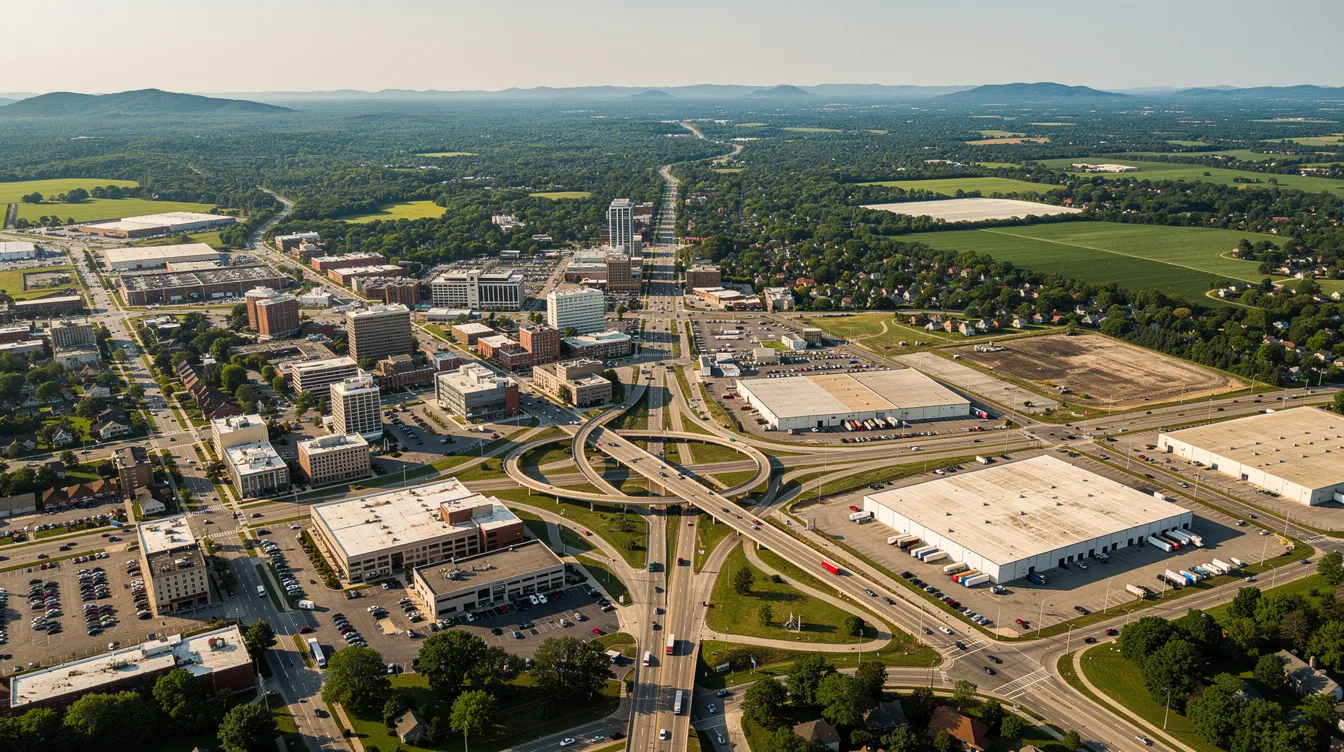
Every economic development marketing plan should start with a deep understanding of the community’s assets, gaps, and competitive position. Effective branding requires understanding a region’s competitive advantages. Key elements include regional assets (transport links, utilities, digital infrastructure), workforce and education quality, industry clusters, quality of life, and business climate.
Focusing on value propositions highlights specific regional strengths. A region near a Class I rail line and interstate interchange might position around logistics. A university-driven biotech cluster could lead with research talent. Identify 2–3 positioning themes-advanced manufacturing, agritech, clean energy-where you hold genuine advantage. Infrastructure matters: airports within a 60-minute drive, gigabit broadband, certified industrial sites. Investors and site selectors expect detailed specs.
How Economic Development Marketing Works in Practice
A typical campaign follows a year-long cycle. In Q1, you conduct research-gathering data on target industries, interviewing local employers, and benchmarking against peer regions. Researching existing clients aids in identifying future target audiences. Utilizing targeted, data-driven outreach can improve marketing effectiveness throughout the process.
The marketing strategy connects findings to concrete choices: which industries to prioritize, which geographies to target, what value propositions to lead with, and what budget and timelines to set. Implementation means launching an updated economic development website, creating digital ad campaigns for one or two target industries, attending key trade shows, and organizing site tours. Measurement and refinement happen quarterly, feeding into the next cycle.
Setting Clear Objectives and Defining Your Target Audience
Clear objectives and audience definitions are the backbone of any effective marketing strategy. Define marketing objectives using the SMART format-specific, measurable, achievable, relevant, time-bound. For example: “Secure 10 qualified manufacturing leads by Q4 2027” or “Increase website visits from site selectors by 40% in 12 months.”
Identifying your target audience eliminates guesswork in marketing. B2B marketing in EDOs must be laser-focused on targeted audiences. Main groups include:
- Corporate decision-makers (CEOs, CFOs) focused on total cost and risk
- Site selectors needing data and available sites
- Entrepreneurs seeking support services
- Talent (remote workers, mid-career professionals) caring about quality of life
Developing buyer personas helps define your target audience. Create 3–5 personas-“Automotive Plant Site Selector,” “Tech Scale-Up Founder,” “Relocating Engineer with Family”-and map key messages and preferred channels to each. Understanding your audience is essential for effective marketing strategies, and target markets should be tailored to specific investor needs.
Crafting a Compelling Economic Development Brand and Message
A consistent brand identity-name, logo, tagline, visual style, tone-is essential for any economic development marketing initiative. Branding creates a unique identity for a region. A strong brand positively influences potential investors and residents, and a well-crafted brand message enhances community visibility and credibility.
Your value proposition should frame the community as a solution: lower operating costs, reliable workforce pipeline, fast permitting, affordable housing, quality of life. Branding should align with the target audience’s needs and interests. Targeting technology companies requires a different marketing approach than targeting manufacturers. Weave culture and community values-entrepreneurial spirit, inclusiveness, sustainability-into messaging naturally.
A well-designed website showcases a region’s unique features. Adapt the core brand message into website copy, pitch decks, RFP responses, videos, social media posts, and talent attraction campaigns. Create effective messaging that resonates with the target audience across every format.
Channels and Tactics for an Effective Marketing Strategy
An effective marketing strategy blends digital and offline channels tailored to each target audience. Digital platforms are used for marketing economic development initiatives across multiple touchpoints. Marketing channels include websites, social media, and email marketing. Print media remains a traditional channel for economic development marketing.
Your website serves as the central hub-housing data-rich community profiles, searchable property databases, workforce statistics, incentive summaries, and success stories. SEO and content marketing make the community discoverable. Content marketing includes publishing whitepapers and case studies that build credibility.
Social media can target specific demographics with tailored content. Use LinkedIn for corporate audiences, X/Twitter for announcements, and Facebook/Instagram for resident storytelling. Targeted ads can promote local assets and events to talent and tourists. Advertising raises awareness of a region to potential investors. Events can showcase a region’s unique features to attract investors-trade shows, FAM tours, and industry conferences remain powerful. Utilize various marketing channels to promote messaging.

Working with Site Selectors and Corporate Decision-Makers
Site selectors are consultants who guide firms’ location decisions, often influencing a critical share of new projects. EDOs attract site selectors through data-driven outreach and compelling branding. Data-rich hubs provide essential tools for site selectors evaluating communities.
They care about cost structure, permitting speed, site readiness, workforce availability, infrastructure reliability, and incentives with clear terms. Tailor marketing efforts with GIS-enabled property maps, downloadable spec sheets, and case studies. Support corporate executives through briefings, customized pitch presentations, and confidential virtual tours. Targeted pitching generates media coverage about community growth, amplifying your reach. For example, the Fargo-Moorhead region invested over $1 million in a 12–18 month workforce attraction campaign targeting healthcare and manufacturing.
Showcasing Quality of Life and Talent Attraction
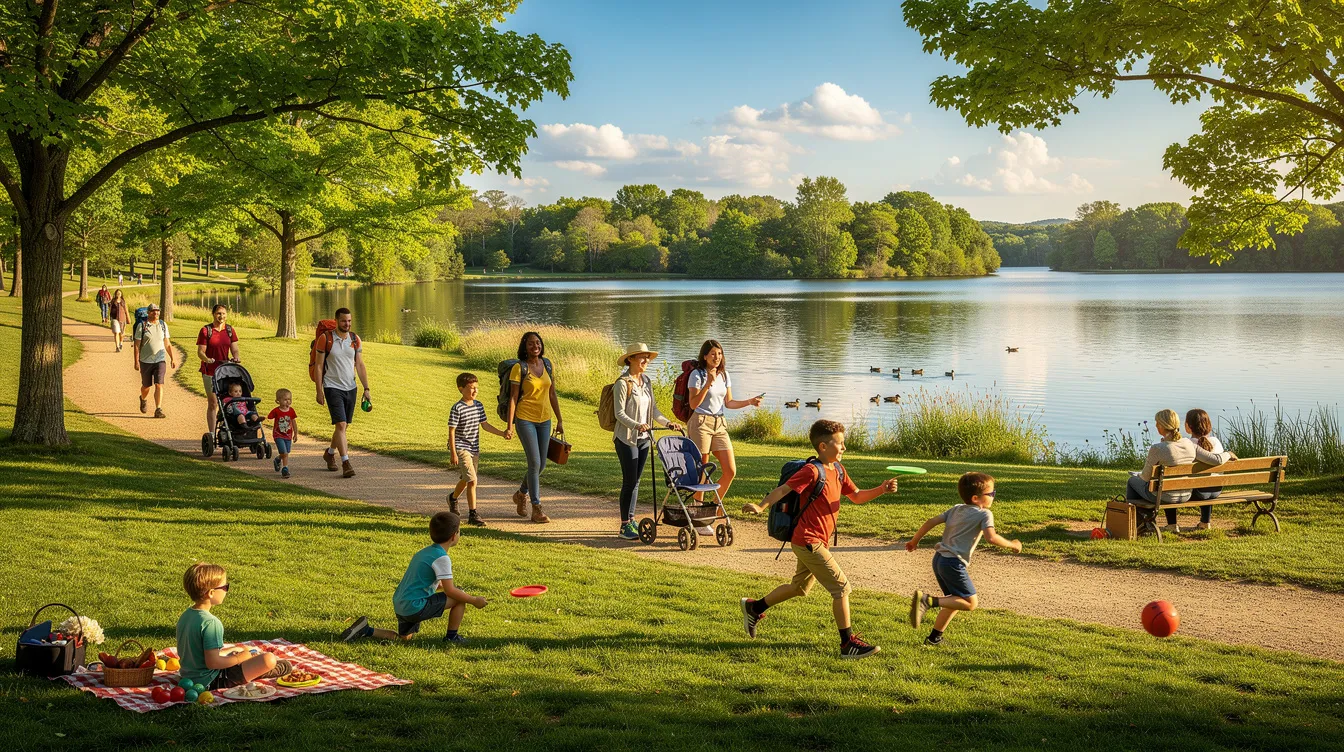
In the 2020s, workforce availability tops site selection factors. Highlight housing affordability and variety, K–12 and higher education quality, healthcare, childcare, arts, outdoor recreation, and diversity. Build talent attraction campaigns speaking to prospective residents, including remote workers and returning natives, with “Move to [Region]” campaigns. Radius Indiana attracted 137 remote workers averaging $83,000 in income.
Use testimonials from recent relocators, day-in-the-life videos, neighborhood guides, and cost-of-living comparisons. Partnering with local leaders establishes a positive reputation. Collaboration enhances economic development among businesses and government, and stakeholder collaboration maximizes regional growth potential. Effective marketing requires partnerships across public and private sectors to encourage collaboration and share resources.
Measurement, Budgeting, and Continuous Improvement
EDOs must justify marketing investments to boards, city councils, and public stakeholders. Track these KPIs:
| KPI | Timeframe |
|---|---|
| Website sessions and conversions | Monthly |
| Site selector inquiries | Quarterly |
| Qualified project leads | Quarterly |
| Media mentions and social engagement | Monthly |
| Jobs and capital investment announced | Annually |
Small rural counties can start with $50,000–$150,000 annually; mid-sized regions targeting multiple sectors may invest $500,000–$2 million. Michigan allocated $20 million for statewide talent attraction. Use monthly dashboard reviews, quarterly strategy check-ins, and annual evaluations. A/B test messages, run brand perception surveys via tools like Lightcast, and build feedback loops with local businesses.
Conclusion: Building a Sustainable Marketing Engine for Economic Development
Economic development marketing ties together research, branding, target audience focus, channel choices, and measurement to drive investment and job creation. A strong brand creates a positive impression for regions competing for projects through 2030. Communities that invest consistently-rather than running occasional campaigns-are better positioned across economic cycles.
View marketing as a long-term, collaborative effort involving EDOs, local government, businesses, and educational institutions. Assess your current marketing strategy today, clarify your objectives, and prioritize 2–3 high-impact improvements for the next 12 months.
Frequently Asked Questions
How much should a community budget for economic development marketing?
Small rural counties often start at $50,000–$150,000 annually, focusing on website, data, and brand before expanding. Mid-sized metros may invest $500,000–$2 million for multi-channel campaigns. Many EDOs fund efforts through grants, ARPA, or public-private partnerships, scaling up as they demonstrate ROI.
How long does it take to see results from economic development marketing?
Early indicators like website traffic and inquiries can improve within 3–6 months. Major capital investments and location decisions typically take 12–36 months. Set both short-term and long-term milestones so stakeholders see progress before major projects are announced.
Can small communities compete effectively with limited marketing resources?
Yes. Smaller regions can focus on niche strengths-remote worker attraction, unique natural amenities-and use cost-effective tactics like owned channels, regional partnerships, and state-level programs. Radius Indiana, a consortium of eight rural counties, successfully attracted over 130 high-income remote workers through a focused campaign.
What data do site selectors expect on an economic development website?
Workforce size and skills, wage levels, industry mix, demographics, transportation access, utilities and broadband speeds, available sites and buildings, tax details, incentive eligibility, and recent project announcements. Present data in downloadable formats and interactive maps, updated at least annually from credible sources.
How should an EDO coordinate marketing with other local partners?
Establish a shared narrative and visual identity among the EDO, government, chamber, tourism office, and workforce agencies. Use regular coordination meetings, joint content calendars, shared photo and video libraries, and co-branded campaigns. Unified messaging makes the community more credible to potential investors and talent.
SublimeStart can help with your Economic Development Marketing
A strong digital presence is how cities, counties, and regions stand out when site selectors, corporate executives, and skilled talent evaluate locations online. It is shaped by data-rich web platforms, search engine visibility, clear regional branding, compelling success stories, and targeted outreach across key channels. You can measure its impact through site selector inquiries, qualified project leads, talent relocation, and announced capital investment.
Building a sustainable economic development marketing engine requires strategic focus across digital marketing, SEO & GEO, content strategy, paid advertising, and conversion-focused web development. By packaging your region’s competitive advantages into clear, discoverable digital assets, you attract high-value businesses, strengthen local retention, and drive long-term community growth.
If you want help strengthening your region’s online visibility or building an economic development marketing strategy tailored to your goals, contact us to create a plan built for results.